How does an electric arc furnace work?
Steel is one of the most recycled and recyclable materials in the world, and at 7 Steel UK, our electric arc furnace (EAF) sits at the very heart of how we produce high-quality, low-carbon steel in the UK. EAF technology allows us to take scrap steel that has already served a purpose and turn it into new reinforcing bars, wire rod, and other steel products ready for construction, infrastructure, and industrial projects.
Unlike traditional blast furnace steelmaking, which relies on iron ore and coal, an electric arc furnace melts recycled steel using electricity, offering a cleaner, more flexible, and more sustainable production method.
How an electric arc furnace works
At its core, an electric arc furnace works by creating an intense electric arc between graphite electrodes and the steel scrap inside the furnace. The heat generated by this arc is extreme, often exceeding 1,600°C which is more than enough to melt steel efficiently.
Step 1: Charging the furnace
Recycled steel scrap is carefully sorted and prepared at our Cardiff facility before being charged into the furnace. Additional materials such as direct reduced iron (DRI), pig iron, or alloys may be added to achieve the desired chemical composition.
Step 2: Creating the arc
Graphite electrodes are lowered into the furnace, and an electric current passes through them. The resulting arc generates high temperatures and plasma that melts the steel scrap. Operators can control the intensity of the arc to regulate the furnace temperature efficiently.
Step 3: Melting and refining
As the steel melts, fluxes like limestone and lime are added to remove impurities and create slag. Slag serves multiple purposes: refining the steel, protecting the furnace lining, and regulating heat distribution. At 7 Steel UK, each batch of steel is carefully monitored to meet strict UK and international quality standards.
Step 4: Tapping the molten steel
Once melted and refined, the molten steel is tapped from the furnace into a ladle for transport to casting equipment or further refining in a ladle metallurgy furnace (LMF). Here, oxygen is removed, sulphur is controlled, and alloys are added to achieve the precise grade required for each product.
Step 5: Casting and hot rolling
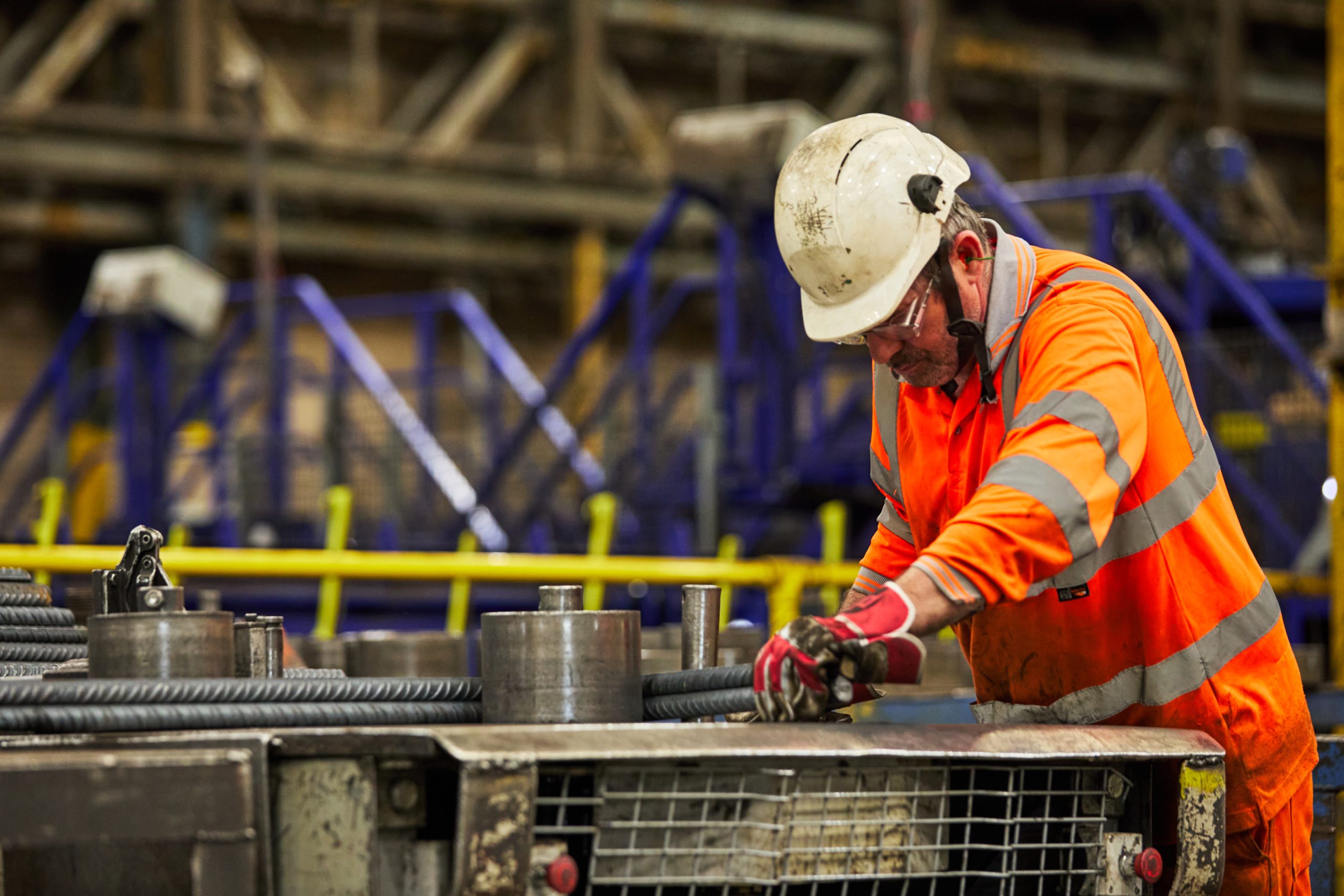
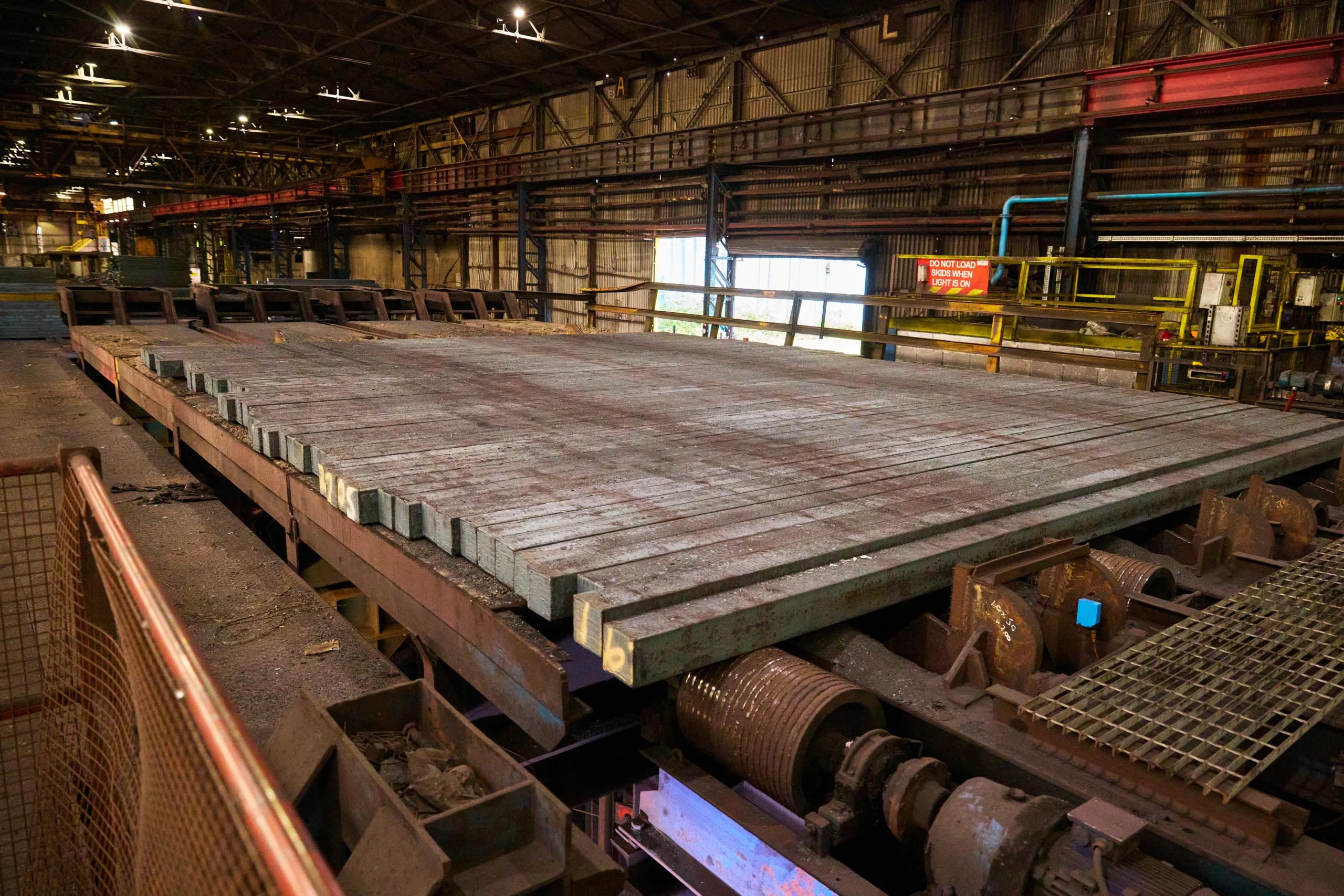
The molten steel is cast into billets, then rolled into finished products such as reinforcing bar. Every step is controlled to ensure quality, consistency, and compliance with construction and industrial standards.
Why electric arc furnaces matter for modern steelmaking
EAF technology offers the flexibility and efficiency that modern steelmaking demands:
- Flexible production: EAFs can use 100% scrap steel or blends with DRI as needed.
- Quick start-up and shutdown: Unlike blast furnaces, EAFs don’t need to operate continuously, allowing rapid responses to demand changes.
- Domestic recycling: Using UK-sourced scrap strengthens the domestic supply chain, reduces transport emissions, and supports regional jobs.
- Lower carbon emissions: EAFs powered by electricity produce significantly less CO₂ than blast furnaces and often less than half.
For the UK construction sector, this means sustainable, locally produced steel that can meet the demands of modern infrastructure projects.
EAF steel quality
Electric arc furnace steel can match or exceed the quality of traditional steel. By controlling the melt chemistry, refining impurities, and adding alloys as needed, EAF-produced steel meets strict standards for reinforcing bars, wire rod, and other structural steel products.
At 7 Steel UK, every batch of EAF steel is tested and monitored to ensure consistent performance, giving engineers, designers, and contractors confidence in both structural integrity and compliance.
Why electric arc furnaces are the future
Electric arc furnaces are more than a piece of equipment, they represent the future of sustainable steelmaking in the UK. Flexible, low-carbon, and circular, EAF technology allows us to continue producing high-quality steel while supporting infrastructure, jobs, and environmental goals.
At 7 Steel UK, we’re proud to lead the shift toward responsible, resilient, and domestically sourced steel, showing that modern steelmaking can be both high-performing and sustainable.