UK-made steel for UK construction: why national infrastructure projects should use domestic steel
Right across the UK, communities are seeing significant investment in everything from critical infrastructure through to the regeneration of spaces. Whether it’s transport projects like HS2, energy infrastructure like Hinkley Point C, or housing – where the government has clear commitments to tackle the housing crisis – towns and cities are seeing the promise of spaces and services being transformed.
Whatever the project, steel will play a key role in making these developments possible. But to deliver a positive impact from day one, the procurement of that steel will come into greater focus.
Typically, steel is chosen based on factors such as availability and cost – and while those considerations are important, they’re not the only priorities in modern construction. Projects need certainty, confidence in the supply chain, and transparency around embodied carbon and product origin. And, with many projects focused on delivering a positive economic outcome, specifying low-carbon steel that is made in the UK can ensure that impact can be felt from the very outset.
In this blog, we’ll explore how choosing UK-made steel delivers certainty, resilience and long-term value for projects and the communities they’re designed to support.
Why resilience is key for construction
In recent years, we’ve all seen how quickly global events can disrupt supply chains, directly impacting everything from availability through to cost. While this can cause disruption in every walk of life, for the construction industry, it can mean projects grind to a halt – stretching deadlines, increasing costs and putting greater pressure on every aspect of delivery.
To deliver projects with confidence, certainty matters – which is why procuring project-critical materials closer to home can reduce the complexity of supply chains and keep projects on track. As well as being shorter with products made closer to where they’re being used, domestic supply chains negate the factors that can cause disruption globally, whether that’s geopolitical uncertainty, shifting trade agreements or broader economic pressures. This resilience means project timelines and budgets can be better managed, creating certainty on projects.
As steel is a fundamental requirement on almost every construction project, strong domestic production is key. Manufacturing steel within the UK creates shorter, more transparent supply chains, and provides greater visibility over production, delivery and quality assurance. Project teams also benefit from closer collaboration with manufacturers who understand the intricate requirements of UK construction and the realities of delivering complex projects.
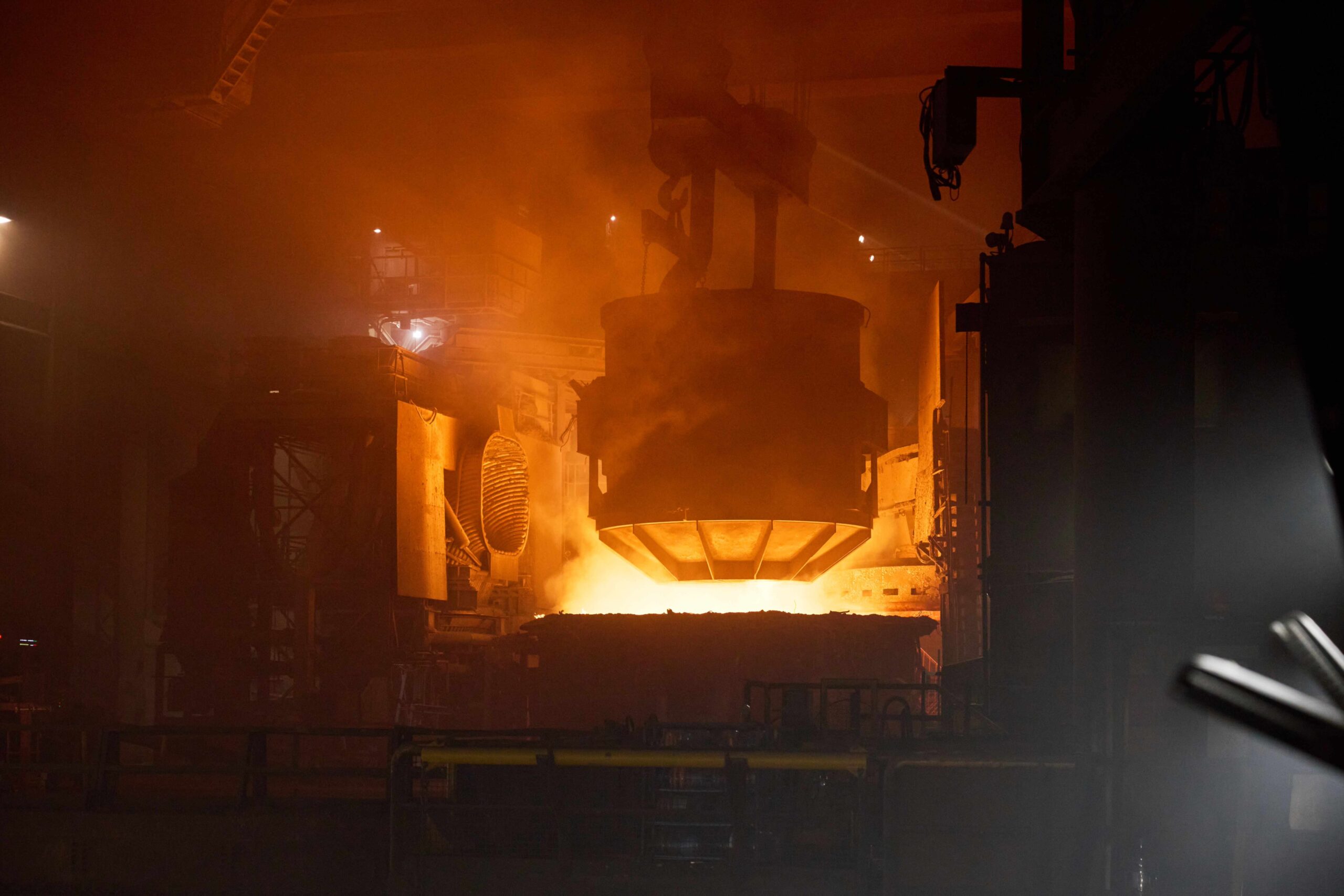
Additionally, the UK steel industry is embracing cleaner methods of production, including Electric Arc Furnace techniques, all of which have a direct impact on factors such as embodied carbon on projects. This, combined with shorter supply chains, creates greater traceability, which is becoming increasingly valuable across both public and private sector procurement.
While no supply chain is immune to global pressures, building greater domestic capability creates resilience where it matters most, ensuring critical infrastructure projects can move forward with greater certainty.
A lasting legacy: Building infrastructure and communities
There is also the question of impact – particularly on projects that are largely public-funded – ensuring that projects don’t just deliver value in their creation, but along every aspect of the supply chain. That means every procurement decision can enhance project delivery, but subsequently share value with businesses and communities that help bring it forward.
Where steel is concerned, choosing UK-made products isn’t just about shortening supply chains, but about supporting an entire industry which is vital to the domestic economy and even national resilience.
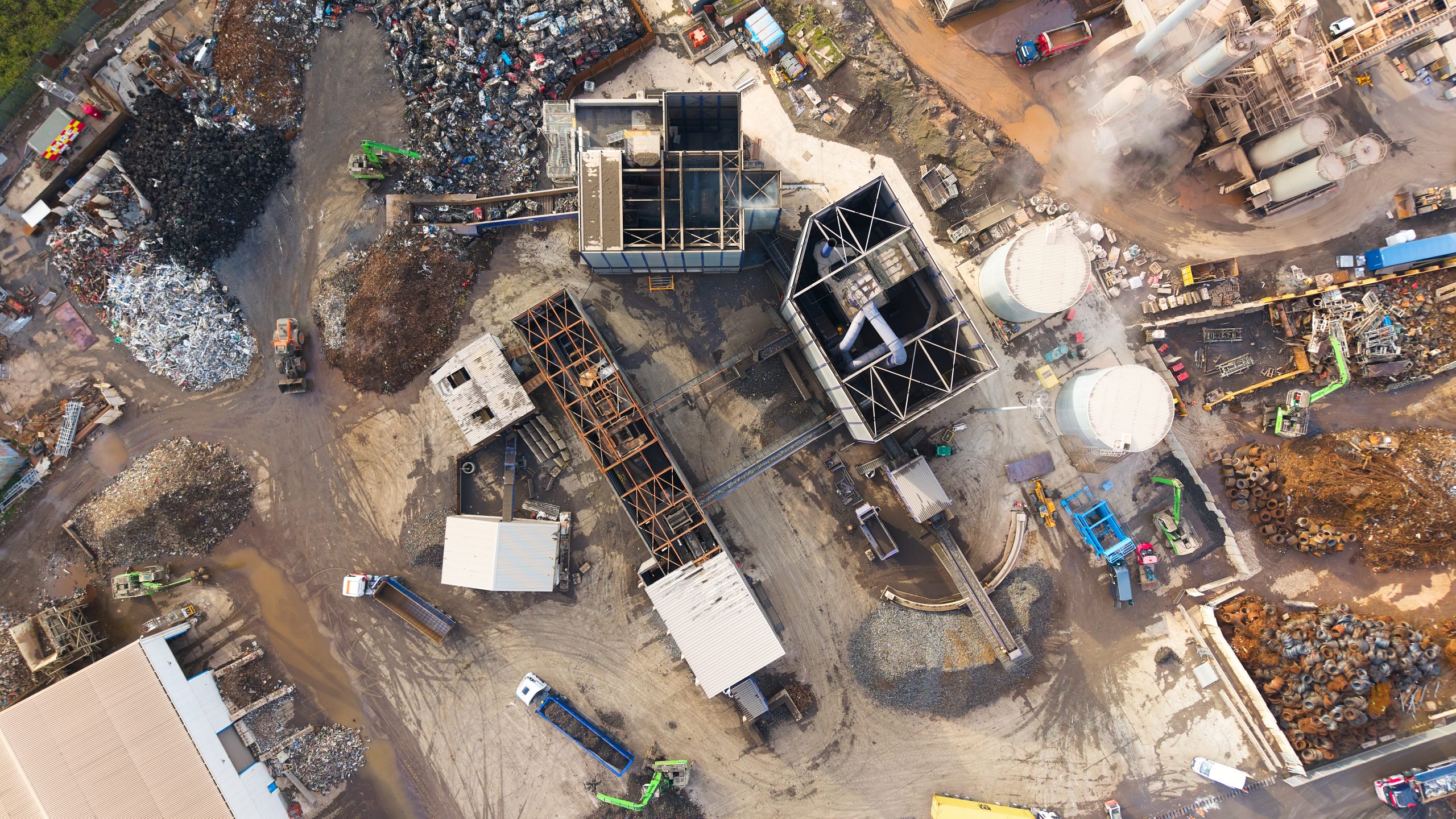
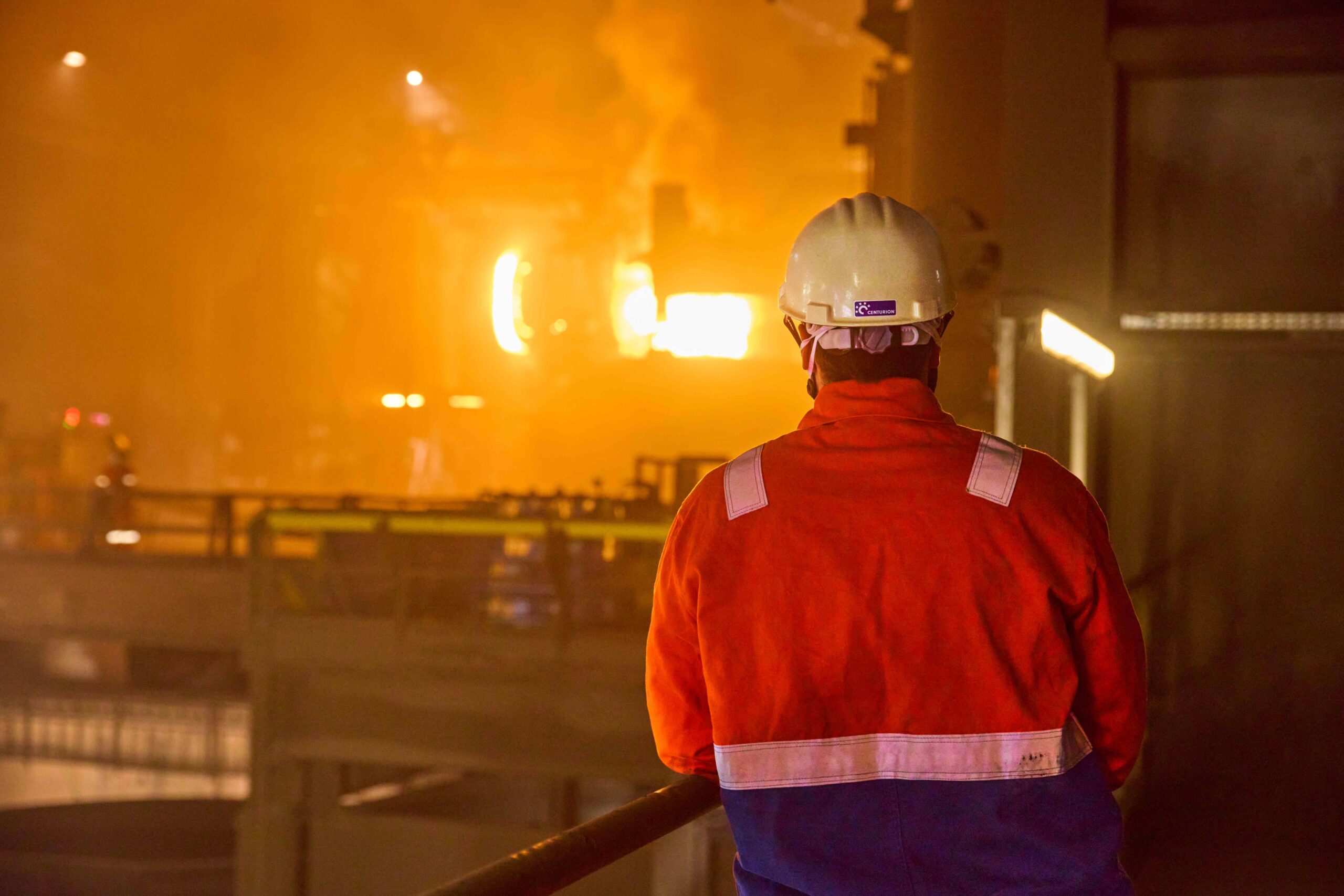
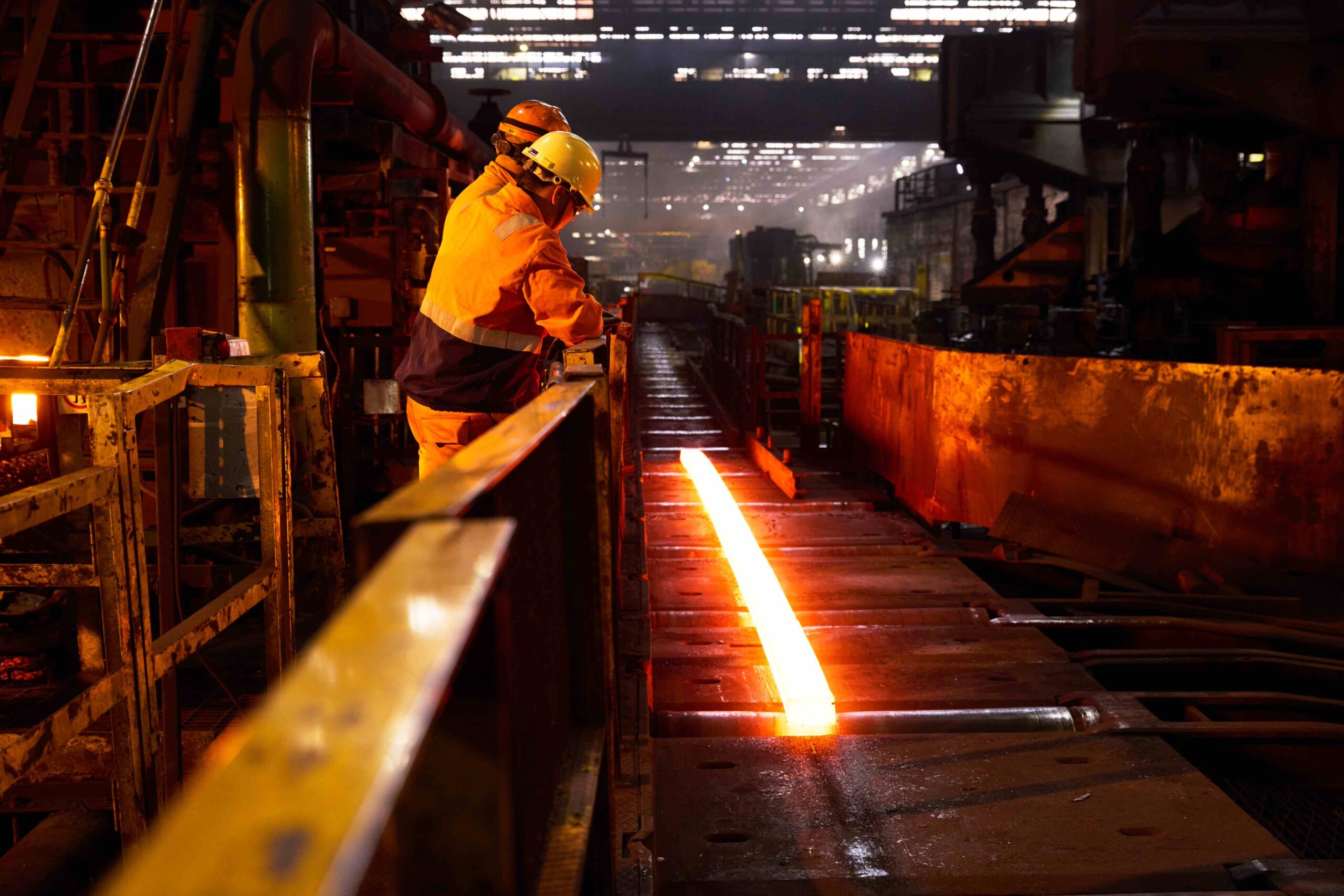
At 7 Steel UK, we proudly employ around 1,600 people across our operations. That could be within our Recycling processes, in our fabrication facilities, or at the heart of our operations where we transform steel scrap into new products through our Electric Arc Furnace. And the impact goes even further, extending to the communities our work supports and the broader supply chain that we lean into. For example, we work closely with other British manufacturers for components that are critical to our processes, including Trent Refractories – a family business that specialises in bespoke refractory products.
Behind all of this, steel continues to be essential to our national infrastructure, security and resilience. Against a backdrop of global supply challenges, we must invest in strengthening domestic manufacturing, reducing our dependence on volatile global markets and retaining value in the UK. A buoyant domestic steel industry is key to this and, as the Steel Strategy suggests, the industry is an important part of our national industrial strategy.
As steel production undergoes a major transition towards lower-carbon production, increased investment in domestic manufacturing allows the UK to lead the way on this journey. At 7 Steel UK, we’ve been leading the way in the use of EAF technology for two decades, placing it at the heart of our circular production model where we transform UK-sourced steel scrap into new steel that supports the UK’s progress on key projects across the country.
So, for those specifying steel in their projects, there’s an opportunity to do more through specification, ensuring projects’ needs are met alongside elevating value across domestic supply chains and communities.
Where value is measured, price is only the starting point
Naturally, the cost of steel will remain a key consideration on projects, especially in an industry that has seen significant price rises in recent years. As the Steel Strategy outlines plans to ensure more UK-made steel is used on domestic projects, however, price will be just one measure of success.
Long-term value will be seen – and measured – through the impact of much broader objectives. Sustainability ambitions, product performance, lead times, technical support and traceability are just some of the factors that will shape value on projects.
As net-zero ambitions loom over the construction sector, reducing embodied carbon will be an important factor in product specification and procurement. At the same time, greater levels of transparency around product origin will increase the need for traceability throughout the supply chain. For projects where these factors are prioritised, they can quickly outweigh any short-term gains made through procurement decisions that are taken based purely on cost.
UK-made, lower-carbon steel production is closely aligned with these shifting priorities.
At 7 Steel UK, we produce steel from 100% UK-sourced steel scrap, recycled through our own facilities and transformed through EAF processes. As well as keeping all processes within the UK, this method of production is cleaner that traditional techniques, reducing environmental impact. In fact, when compared to traditional steel production, our processes result in much lower emissions intensity than industry averages, with our reinforcing bar and wire rod products carrying an emissions intensity as low as 374 kgCO2 per tonne and our merchant bar and light section registering at 417 kgCO2 per tonne.
Combined with transparent reporting and UK-based traceability, this enables project teams to make procurement decisions that support both immediate project requirements and longer-term environmental ambitions.
Building Britain’s future with confidence
The UK has some big ambitions when it comes to building infrastructure for the future, and behind each project lies the opportunity to strengthen domestic supply chains that manufacture materials responsibly, can deliver on broader sustainability objectives and ultimately deliver high-quality dependably.
By choosing UK-made for construction projects, teams aren’t just benefitting from shorter supply chains, greater traceability and more reliable support, but the resilience of project-critical industries that support long-term growth.
We’re proud to be making these decisions possible today, with our pioneering EAF steel production supporting more conscious product selection on some of the UK’s most complex infrastructure projects.