Why domestic steel production matters
To many, the UK’s steel industry tells a story of decline – but the reality is far from it. As one of the core foundational industries, steel plays a hugely important role, both in terms of the industries it supports and, importantly, in national resilience.
Firstly, from a construction and infrastructure perspective, steel is essential. On projects of every scale – from housing developments to major infrastructure projects – steel is being used to provide strength to structures. To keep these projects on track and ensure they are capable of standing the test of time, engineers and contractors need to be confident that the materials they’re using will meet specification, be available when needed and consistently meet quality and performance requirements.
With international supply chains exposed to greater levels of uncertainty – something we’ve seen more of in recent years due to factors such as conflict and international trade measures – confidence in materials ebbs and flows. The reality of this is that prices can fluctuate, delivery times can be unpredictable, and material traceability becomes increasingly complex.
By contrast, steel that is produced at home offers greater certainty, stability and predictability. That’s because, when steel is made in the UK for domestic projects, supply chains are shorter and easier to manage, giving project teams greater confidence in the materials they’re using. When even the smallest of delays can carry significant financial and logistical consequences, the certainty of domestic supply chains delivers even greater value.
Delivering quality and consistency
While UK-made steel means shorter supply chains and greater certainty for domestic projects, there are other important benefits to ensuring a buoyant UK steel industry.
The importance of material traceability is growing right across the UK, particularly as factors such as the environment play an ever greater role in specification. This means projects must be sure that the materials they’re using meet their strict requirements, but also that they can be confident in materials’ origins – right up to the point they’re received on site.
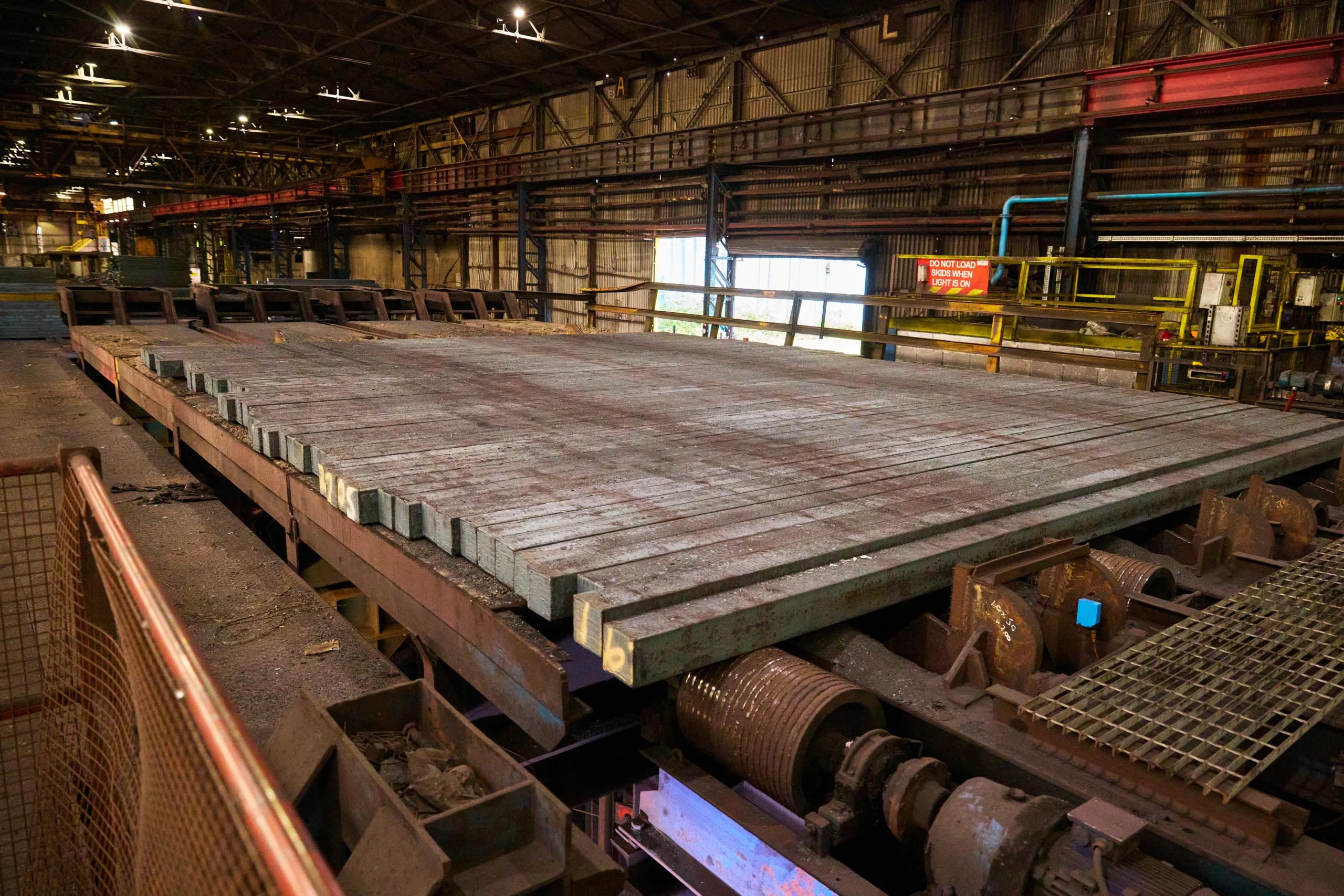
Producing steel in the UK makes that possible, with integrated production systems allowing steel producers to maintain close oversight of materials, production processes and product performance. At 7 Steel UK, we produce steel through Electric Arc Furnace (EAF) techniques, reducing the environmental impact of steel compared to traditional production methods. But we don’t stop there. We have created a network that allows us to maintain full control and traceability of production, starting with steel scrap and ending with steel fabrication.
Through the Recycling part of our business, we source steel scrap from within the UK – coming from everywhere from old vehicles through to demolished buildings. Typically, this scrap would be exported to other markets, but our processes ensure its value can be retained within the UK. We then process this steel scrap through our own facilities, providing a reliable stream of feedback for our EAF, where we produce 1.2 million tonnes of steel each year. New steel then makes its way to downstream fabricators, including 7 Steel Service, who can fulfil the intricate requirements of modern projects.
While imported steel is capable of meeting the same performance standards, it’s not able to match the value of UK-made steel to the domestic economy and communities across the country.
Through our processes, we’re proving the domestic steel production simplifies processes, delivers greater material transparency and elevates value at every stage. Together, we’re delivering the quality and consistency demanded on modern construction projects.