Early growth & peak of British steelmaking
The British steel industry rose to prominence during the Industrial Revolution. Places such as South Wales, alongside Sheffield and regions in Scotland, became centres of steel production, driven by iron ore, coal and skilled workforces. By the late 19th and early 20th centuries, British steel was world-renowned across sectors from shipbuilding through to infrastructure, including the creation of bridges and railways as the country became more connected.
South Wales played a particularly important role in this expansion. Major iron and steelworks were established to support domestic growth and global export markets. 7 Steel UK can trace its origins back to the Dowlais works in Merthyr Tydfil in the 1700s.
After World War II, the steel sector was nationalised to consolidate several steel producers into state ownership. Later reorganisations created the British Steel Corporation, consolidating the UK’s steel industry into a single, coordinated entity. During these decades, the country maintained its reputation as a global leader in steel production.
Decline and shifts: from mass steel to specialisation
By the 1970s and 1980s, the landscape began to change. Global competition intensified, imports increased, and many older plants became uneconomical. The UK shifted away from mass production of basic steel toward more specialised steelmaking, niche grades, and fabricated reinforcement products.
This period also saw the closure of several large integrated steelworks, particularly those constrained by limited space or ageing infrastructure, reflecting a wider pattern of deindustrialisation across Britain’s traditional steelmaking regions.
Production volumes fell sharply, but the UK retained strength in high-value sectors. Today, although annual crude steel output is far lower than its mid-century peak, the sector remains significant, with specialist markets and advanced reinforcement products playing a vital role.
Modern industry & the rise of electric arc furnaces
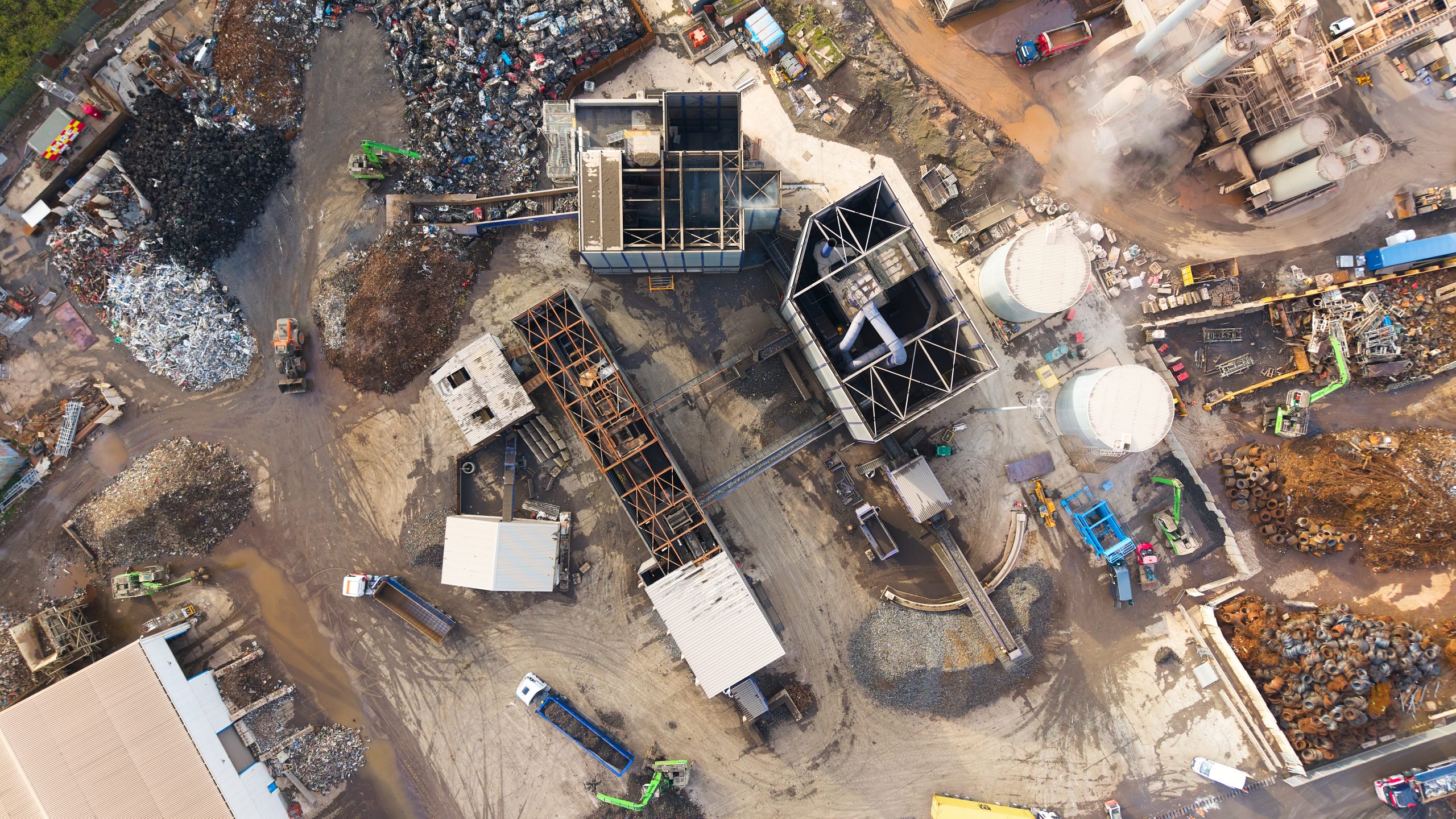
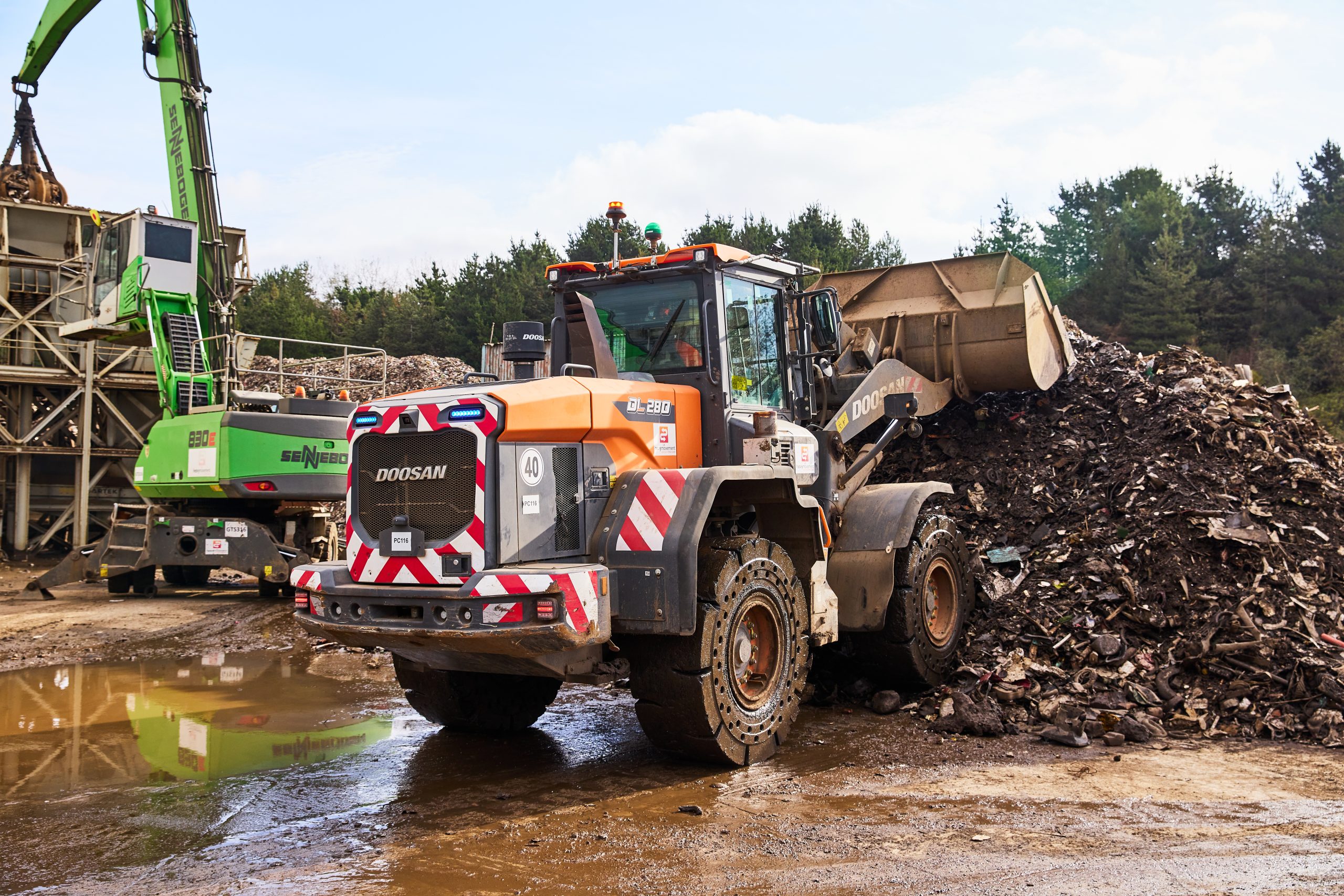
A key development in modern UK steel production has been the move towards recycling and adopting electric arc furnace (EAF) technology. Unlike traditional blast furnaces, which rely heavily on coal and iron ore, EAFs use scrap steel as their feedstock and electricity to transform old steel into new. This method reduces carbon emissions and creates opportunities for more sustainable, circular production.
In locations such as Cardiff, steelmaking has evolved from historic blast furnace operations to modern recycling-led production, reflecting broader changes across the British steel industry. Where iron ore and coal-based fuel once dominated, scrap steel and electricity now underpin a cleaner, more flexible approach.
Major UK steel sites are transitioning to electric arc furnaces (EAFs), with 7 Steel UK among the early adopters – with EAF technology in Cardiff since the 1970s, with our current furnace developed in 2006. By replacing older, carbon-intensive processes, they demonstrate a commitment to greener steel production and support the UK’s move toward net-zero targets.
Key challenges & opportunities of the British steel industry
Challenges
As the British steel industry continues its transition, it faces a complex mix of challenges and opportunities shaped by economic, environmental and policy pressures:
- Cost pressures and energy prices: Energy in the UK is expensive compared to many steelmaking regions abroad.
- Global competition and imports: Cheaper steel from overseas continues to put strain on domestic producers.
- Environmental regulation: Decarbonisation is essential but transitioning older plants requires significant investment.
Opportunities
- Circular economy and recycling: Using scrap and closing the loop on steel supply helps reduce emissions and dependency on raw materials.
- Policy support and procurement: Government contracts that prioritise sustainable UK steel can accelerate investment.
- High-value specialisms: By focusing on quality and green credentials, UK producers can thrive in specialist steel markets.
The role of circular steel & domestic process
A fully domestic, circular steel process is central to building resilience in the industry. Recycling within the UK, manufacturing within the UK, and fabricating steel for local projects means:
- Lower transport emissions
- The value of steel is kept in the UK
- Stronger and more resilient supply chains for UK industries, including construction
- Greater quality control and supply chain traceability
- Shorter lead times, lower transport emissions and reduced waste
This approach also reconnects modern steelmaking with the communities and regions that historically powered the UK steel industry, ensuring production remains rooted in Britain rather than outsourced overseas.
This model aligns perfectly with the needs of modern construction and infrastructure while supporting sustainability targets.
Looking forward: low-carbon steel & renewed national relevance
The vision for the UK steel industry is centred on achieving net zero emissions, expanding EAF capacity, and ensuring production is aligned with environmental, economic, and social goals. Major towns and regions that once thrived on steelmaking are now at the forefront of this transformation, embracing low-carbon steel to protect both jobs and the environment.
Architects, specifiers, procurement teams, and sustainability professionals are increasingly demanding steel that is not only strong and versatile, but also responsibly produced. UK suppliers with both heritage and sustainability credentials are well positioned to lead this movement.
The future of British steel
The British steel industry history is one of both triumph and challenge. It has built the backbone of modern Britain, faced decades of decline, and now stands on the threshold of transformation. With companies committed to domestic production, circular economy principles and low-carbon technology, the industry is shaping a future that is cleaner, smarter, and more resilient.
For construction, infrastructure, and sustainability leaders, choosing UK steel is not just about quality. It is about supporting a future where steel strengthens not only our buildings and bridges but also our climate goals and communities.