Electric arc furnace vs blast furnace: what’s the difference?
Steel is produced using two main methods: the blast furnace and the electric arc furnace (EAF). Both create high-quality steel, but they differ significantly in raw materials, energy usage, emissions and production flexibility.
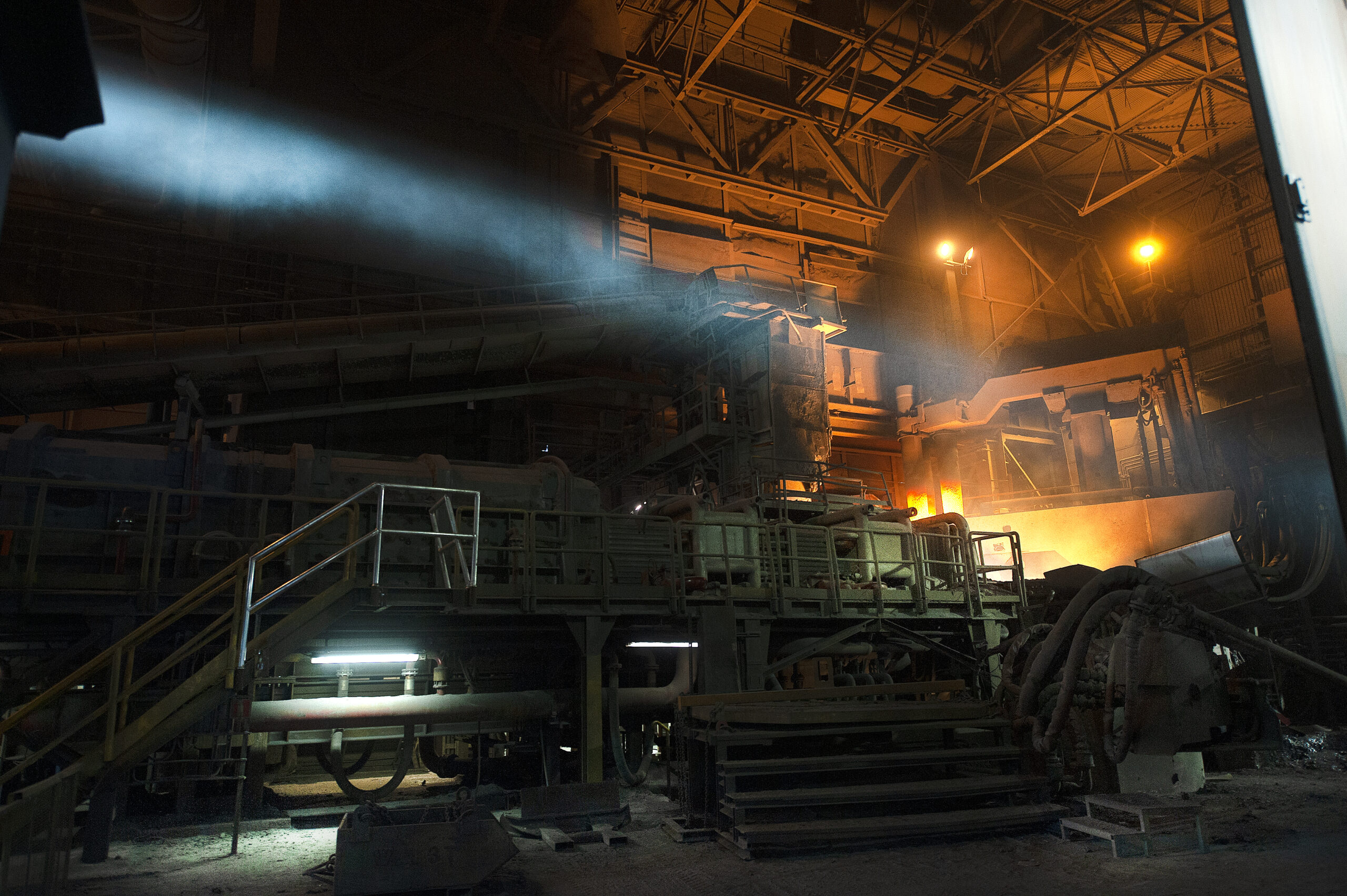
For the UK steel sector – and for 7 Steel UK – this distinction matters. Our Cardiff steelworks produces reinforcing steel using electric arc furnace technology, melting 100% UK-sourced recycled scrap rather than iron ore. Powered by electricity rather than coal, EAF steelmaking becomes lower carbon as the grid incorporates more renewable energy. As the industry moves toward lower-carbon, circular production, EAF steelmaking is becoming central to how steel is made.
Electric arc furnace vs blast furnace: key differences
The key differences between blast furnace and electric arc furnace steelmaking are summarised below:
|
Factor |
Blast Furnace |
Electric Arc Furnace (EAF) |
|
Raw materials |
Iron ore, coke and fluxes |
Recycled steel scrap (and some direct reduced iron) |
|
Energy source |
Coke (coal-based) |
Electricity |
|
Emissions |
High CO₂ emissions |
Significantly lower CO₂ emissions (see below) |
|
Production |
Continuous, large-scale |
Flexible, batch-based |
|
Supply chain |
Mining and global raw material inputs |
Circular, recycling-based |
Two routes to making steel
Blast furnaces and electric arc furnaces produce the same outcome – molten steel – but through different processes which lean on different energy sources and source materials.
Blast furnace
The blast furnace is the traditional route to steelmaking, using iron ore and coke to produce liquid iron, which is then refined into steel in a basic oxygen furnace. Known as the “primary” route, it relies on virgin raw materials and is energy- and carbon-intensive.
Electric arc furnace (EAF)
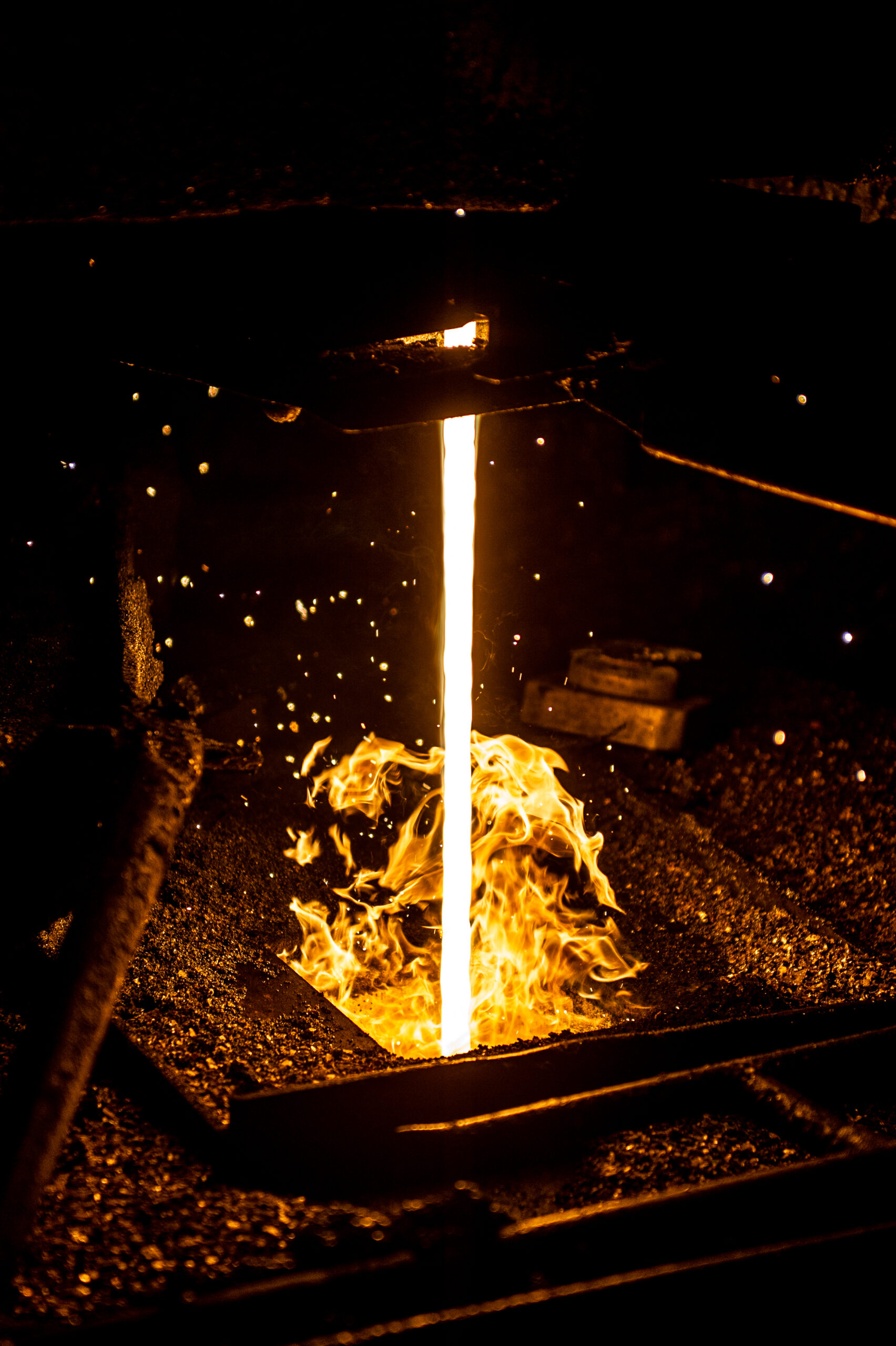
Electric arc furnaces represent a more modern approach, melting existing steel – primarily scrap, sometimes supplemented with direct reduced iron (DRI) – using electricity. This “secondary” route is inherently circular, turning existing material back into high-quality steel.
Blast furnaces make new steel from raw materials; EAFs remake steel from existing material. This difference drives the cost, carbon and flexibility advantages of EAF production.
Raw materials: ore versus scrap
The most fundamental difference between blast furnace and electric arc furnace steelmaking is feedstock.
Blast furnaces depend on iron ore, coke and fluxes. These materials must be mined, processed and transported before ironmaking can begin, creating a long and resource-intensive upstream chain.
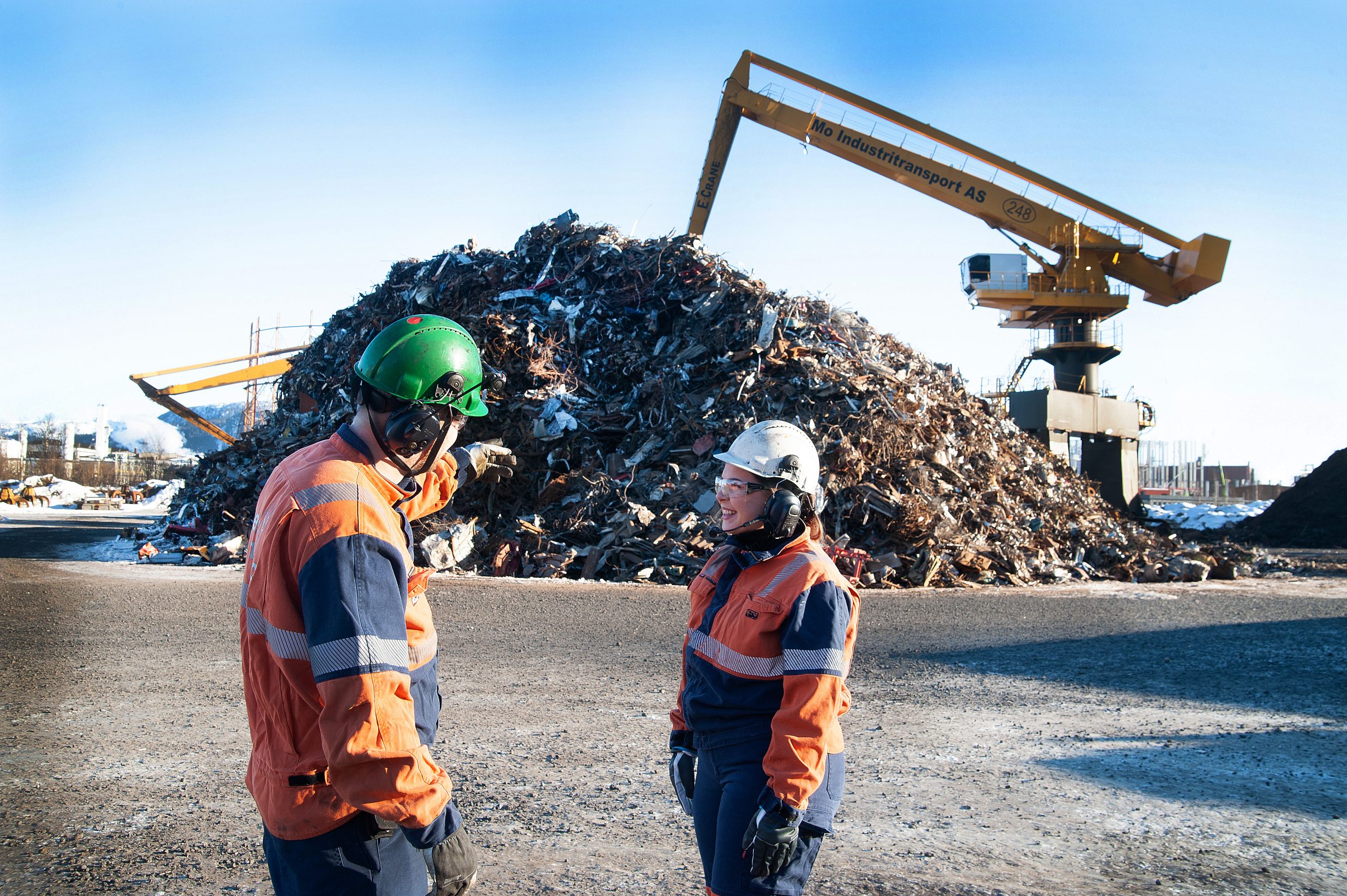
Electric arc furnaces rely primarily on recycled steel. Scrap from demolished buildings, end-of-life vehicles and manufacturing offcuts becomes the main raw material for new steel production, allowing steel to remain in continuous circulation without loss of performance.
The UK produces around 10 million tonnes of steel scrap each year, much of which is currently exported. Electric arc furnace steelmaking enables that material to be retained, recycled and reused domestically – keeping both its value and its environmental benefits within the UK.
At 7 Steel UK, we source and process scrap through our own recycling network before melting it in our EAF and transforming it into reinforcing steel for new construction. This steel can then be recycled again at end of life, supporting a closed-loop, UK-based steel cycle.
Energy and emissions
Blast furnaces use coke both as a fuel and a reducing agent, meaning carbon emissions are inherent to the process. Removing oxygen from iron ore inevitably produces carbon dioxide.
Electric arc furnaces avoid this step entirely by melting existing metallic iron using electricity. As a result, direct emissions are far lower, and overall carbon intensity depends largely on the electricity source.
In practice, electric arc furnace steelmaking can reduce CO₂ emissions by up to 80% compared to traditional blast furnace routes, particularly in regions like the UK where the electricity grid is continuing to decarbonise. Using recycled feedstock also reduces emissions from mining and raw material transport.
At 7 Steel UK, independently verified data shows emissions as low as 374 kg CO₂ per tonne for reinforcing bar and wire rod, and around 417 kg CO₂ per tonne for merchant bar.
Operational flexibility and scale
Blast furnaces are designed for continuous, high-volume production. Once operating, they run for years with limited shutdowns because cooling and reheating the furnace is complex and costly. This makes them highly efficient for very large-scale output but less responsive to demand changes.
Electric arc furnaces operate in batches. They can start and stop more readily and adjust production levels to match market demand. The equipment footprint and capital intensity are also typically lower than integrated blast furnace plants.
This flexibility aligns well with regional recycling-based steelmaking. EAF plants can be located near scrap supply and end-use markets, shortening supply chains and improving material traceability.
Steel quality and applications
Both routes can produce steel that meets demanding structural and engineering standards. Modern refining and alloy control mean EAF steel quality is fully suitable for construction, infrastructure and many specialised grades.
The main differences lie not in performance but in production context: raw materials, emissions and scale, rather than in the intrinsic properties of the finished steel.
At 7 Steel UK, EAF-produced reinforcing bar meets UK and international specifications required for structural use, demonstrating that recycled steel delivers equivalent structural reliability.
Why the industry is shifting toward EAF
Global steelmaking is gradually increasing its use of electric arc furnaces as decarbonisation pressures and circular economy principles reshape material production. Regions with abundant scrap and limited domestic iron ore including the UK are particularly suited to EAF-based steelmaking.
Electric arc furnaces allow steel to be produced from existing material with lower emissions, shorter supply chains and greater production flexibility. These attributes align with modern construction requirements for responsible sourcing and reduced embodied carbon.
For 7 Steel UK, operating an electric arc furnace in Cardiff supports our mission of turning potential into progress, meaning reinforcing steel can be produced from UK scrap, within the UK, for UK projects. This keeps both material value and environmental responsibility within the domestic supply chain.
Electric arc furnace vs blast furnace: the key difference
Ultimately, the comparison between blast furnace and electric arc furnace steelmaking comes down to one defining factor: starting point.
Blast furnaces create new iron from ore using coal-based chemistry.
Electric arc furnaces melt existing steel using electricity.
That difference determines emissions, resource use, infrastructure and circularity. As construction and infrastructure sectors increasingly prioritise lower-carbon materials, the recycled steel EAF route is becoming more significant.
What this means for UK steel
Blast furnaces and electric arc furnaces will both remain part of global steel production, each suited to different resources and scales. But in a UK context with plentiful scrap and decarbonisation targets, electric arc furnace steelmaking offers a more circular and lower-emission pathway.
At 7 Steel UK, our Cardiff-based electric arc furnace transforms recycled steel into high-quality reinforcing products for construction and infrastructure, keeping steel in continuous use while reducing environmental impact.
To learn more about our EAF steel production or discuss project requirements, contact 7 Steel UK.
FAQs
What is the difference between an electric arc furnace and a blast furnace?
A blast furnace produces steel from iron ore using coal, while an electric arc furnace melts recycled steel using electricity. The key difference is whether the process starts with raw materials or existing steel.
Which produces more CO₂: EAF or blast furnace steel?
Blast furnace steel typically produces significantly more CO₂ because it relies on coal-based chemical reactions. EAF steel has lower emissions, especially when powered by low-carbon electricity.
Is electric arc furnace steel lower quality?
No. Modern EAF steel meets the same structural and engineering standards as blast furnace steel and is widely used in construction and infrastructure.
Why is the UK moving towards electric arc furnace steelmaking?
The UK has abundant steel scrap, limited iron ore resources and strong decarbonisation targets. EAF steelmaking supports a circular, lower-carbon domestic supply chain.
Can all steel be made using electric arc furnaces?
Not all grades are currently produced via EAF, particularly some high-purity or specialist steels. However, EAF capabilities are expanding rapidly.