The future of British steelmaking: how Electric Arc Furnace technology is reshaping the industry
Steelmaking has long played a role in Britain’s industrial success, whether that’s through the railways that transformed transportation, the construction of the homes we live in, or the critical infrastructure that’s shaping the future of towns and cities. Wherever we look in the built environment, steel plays a defining role, delivering strength and durability.
Today, however, more is required of the steel used on projects.
As the biggest consumer of steel, the construction industry is under increased pressure. The need to decarbonise, handle rising costs and respond to changing customer expectations are just some of the factors that are influencing decision-making. In response, the steel industry is adapting with new processes, new technologies and new ways of retaining the value of steel.
Not only is this changing the future of the UK steel industry, but it’s fundamentally changing how steel itself is made, with Electric Arc Furnace (EAF) technology at the centre.
Electric Arc Furnace technology is changing how steel is made
EAF technology isn’t new. In fact, it has been around for over a century and, even in the world of steelmaking, it has been used by some producers – including 7 Steel UK – for decades. Despite this, EAF technology is widely regarded as the future of steelmaking, prioritising low-carbon ambitions and redefining the relationship between manufacturing, recycling and construction.
While traditional steelmaking is built around an extractive model, centred around the use of raw materials and blast furnace production methods, EAF production is designed around the principles of circularity. This means steel that is already within the economy can be reused and become the foundation of future infrastructure.
In practice, this takes EAF steelmaking beyond decarbonisation and towards a more sustainable future.
Rather than starting with newly extracted raw materials, EAF steel production starts with steel scrap which is melted using electricity before being transformed into new, high-performance steel products. This is a step change that maximises the potential of waste materials that are already a part of our economy and places them at the centre of future production, ultimately reducing the need for raw materials and reducing energy consumption during production.
While production takes a step forward, customers also get to experience the benefits. While the steel itself appears unchanged, delivering the same strength and quality, products created through EAF methods are lower-carbon and more easily traceable, making them a winning choice in modern construction.
Putting recycling in the spotlight
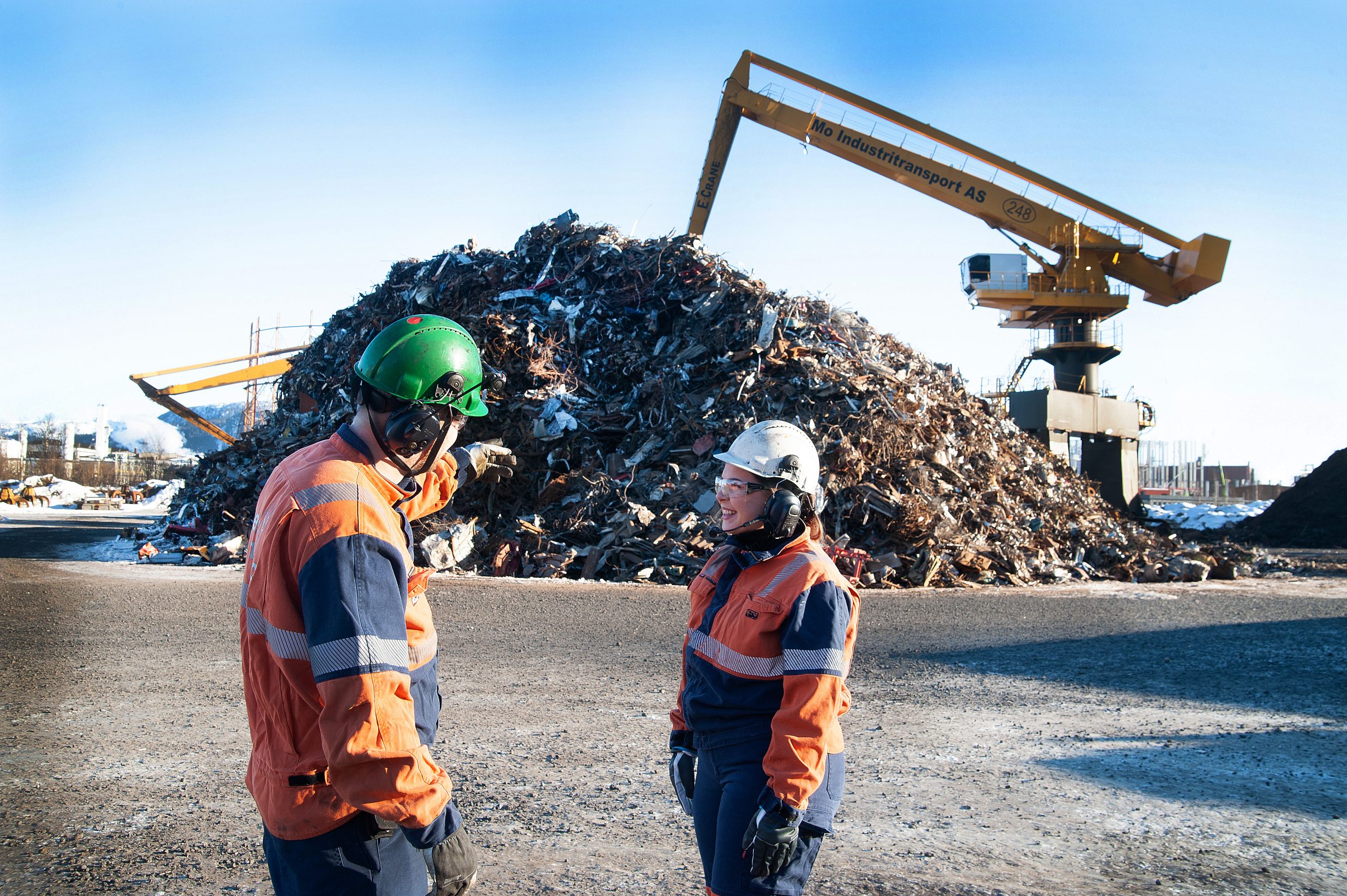
While EAF technology itself is a key part of the process in creating low-carbon steel, the production method shifts the spotlight to something which has largely been overlooked in the past – recycling.
In the UK, around 10 million tonnes of steel scrap is produced every year and, despite the demand for recycled steel increasing, much of this is shipped overseas. In short, steel recycling has long been an export business, where value has failed to be retained within the UK – but things are now changing.
The quality of the finished recycled steel produced through EAF processes is directly influenced by the quality of the recycled material that creates the feedstock for the furnace. This makes the task of recovering, processing and preparing high-grade steel scrap a central part of meeting specifications as demand rises.
In practice, this makes investments in steel scrap recovery just as important as EAF technology itself. Ensuring scrap producers are incentivised to keep scrap in the UK is one part of the challenge, and another is ensuring there is enough demand for it.
At 7 Steel UK, we’re already demonstrating how this works. We’ve built our own Recycling business, complete with nationwide depots and state-of-the-art processing facilities in Cardiff – just a stone’s throw away from our own Electric Arc Furnace. This gives us the ability to source our own steel scrap from around the UK, and process and prepare it for use through our own production channels, ensuring quality is always where we need it.
While this process works for us, as more steel producers bring EAF technology online, the market for steel scrap will grow. This demand will transform the UK into a primary user of steel scrap, and a leading producer of low-carbon recycled steel.
The future of UK steelmaking
For an industry that has experienced decades of decline, and one which has traditionally been carbon-intensive, it might seem that the rising interest in low-carbon steel could be a challenge too far for the UK steel industry – but that’s far from the reality.
The rise of EAF technology, driven by the growing demand for low-carbon steel to drive forward environmental priorities, represents a huge opportunity for the UK steel sector to lead the way in modern steel production. In doing so, the industry can work hand-in-hand with construction to support decarbonisation ambitions, elevate traceability and create a more reliable, resilient supply chain.
As construction projects increasingly prioritise embodied carbon, traceability and supply chain resilience, steel producers who are capable of demonstrating transparent, circular production models will become increasingly valuable partners. At 7 Steel UK, we’re already seeing this as we work with customers on landmark projects including HS2 and Hinkley Point C.
Crucially, the benefits of low-carbon steel production don’t end at project completion. Committing to producing steel in the UK from 100% recycled steel scrap creates benefits that extend across the value chain. In practice, this process strengthens domestic recycling industries, supports investment in manufacturing and helps to retain valuable resources within the UK economy.
At 7 Steel UK, we’re proud to have defined the future of steelmaking for more than 20 years, and with continued investment in our nationwide operations spanning recycling, EAF steelmaking and fabrication, we will continue to shape the future of domestic steelmaking and play a key role in delivering the materials that will fuel Britain’s future for generations to come.