Virgin steel vs recycled steel
For a material that has been around for centuries, steel still manages to attract a surprising number of misconceptions.
One of the most common is the idea that recycled steel is somehow a lesser version of the real thing. That if a piece of steel has lived a previous life, whether in a building, a bridge or a vehicle, it must be weaker when it returns to production.
After all, we see it elsewhere. Recycled paper isn’t quite the same as fresh paper. Recycled plastics often come with compromises. So people naturally assume the same follows for recycled steel.
In many cases, the reinforcement bar being installed on a project today could contain steel that has already spent decades doing another job entirely. Once melted down and refined, steel doesn’t carry a memory of where it came from; at the end of the day, it’s all made up of the same raw materials. What matters is the quality of the process, not the age of the material.
That’s why the conversation around virgin steel and recycled steel is often less about performance than people think, and more so around how each type is made.
What do we actually mean by virgin steel?
Virgin steel starts with iron ore, which is mined from the ground and processed before being turned into steel. It’s the traditional way most people picture steel being made: raw materials go into the production process, and new steel comes out the other end. It’s a process that has built cities, railways and infrastructure networks around the world.
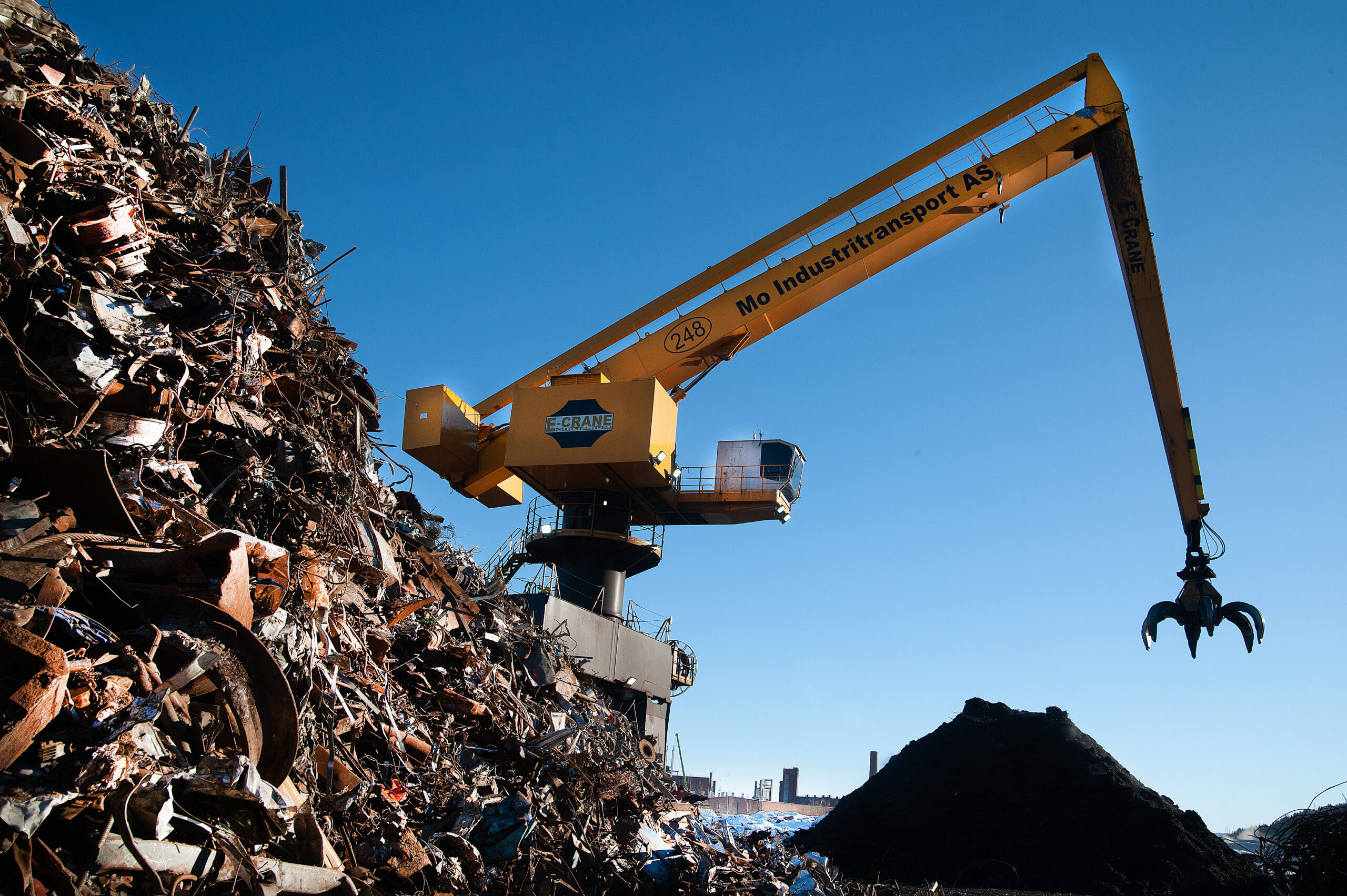
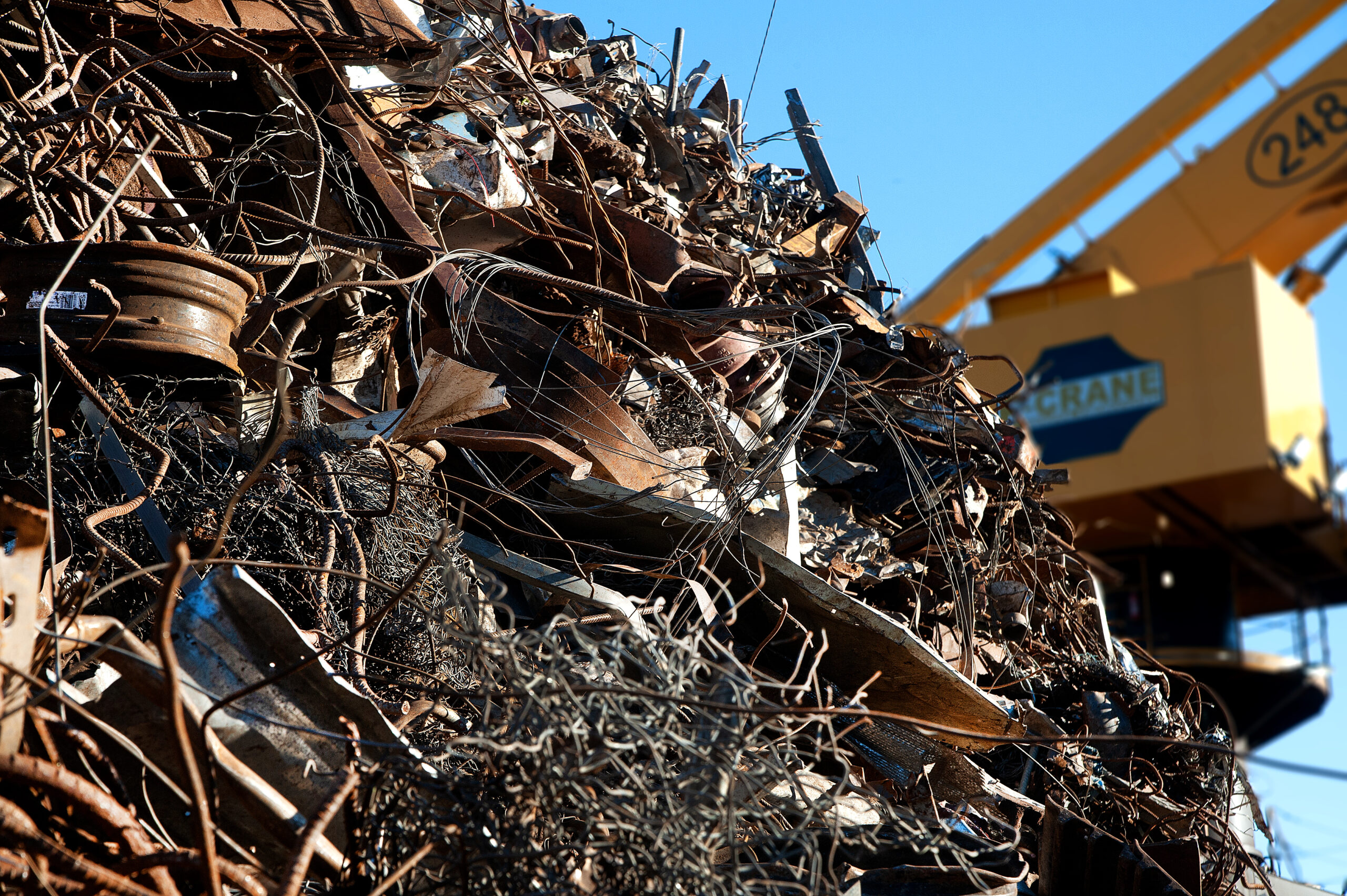
Recycled steel takes a different path. Instead of beginning in a mine, it begins with steel that already exists. Demolished buildings, manufacturing offcuts, old machinery and end-of-life vehicles all become part of the supply chain. The steel is recovered and processed before being melted to produce recycled steel.
So, while each type of steel has a different starting point, at the end of the production process is new steel that can be used in the same applications, from reinforcing concrete in buildings and bridges to supporting major infrastructure projects.
Is virgin steel better than recycled steel?
When people ask whether virgin steel is better, they’re usually asking whether it’s stronger, safer or more reliable for the projects and applications they have in mind.
For the vast majority of applications, recycled steel delivers the exact same performance requirements as steel produced from virgin raw materials, making it a familiar sight on construction and infrastructure projects. At 7 Steel UK, our reinforcing steel is produced to B500C grade as standard, meeting the highest quality standards. If recycled steel couldn’t meet those standards consistently, it wouldn’t be used in critical infrastructure, reinforcement products or major construction projects.
What matters is whether the finished steel meets the required grade, specification and certification for its intended use. Recycled steel produced to those standards can deliver the strength, quality and reliability required across construction and infrastructure.
Comparing virgin and recycled steel side by side helps separate perception from reality. While the two materials follow different production routes, the finished steel is often far more similar than many people realise. The table below highlights some of the key differences.
| Factor | Virgin steel | Recycled steel |
| Starting point | Iron ore and newly extracted raw materials | Existing steel recovered from buildings, infrastructure and scrap |
| Production route | Primary steelmaking from raw materials | Steel recycling and remelting (EAF Production) |
| Strength and performance | Meets construction specifications | Meets construction specifications |
| Use in construction | Used across reinforcement, structural steel and infrastructure projects | Used across reinforcement, structural steel and infrastructure projects |
| Carbon impact |
0.374 tCO₂/t for reinforcing steel From 7 Steel UK |
|
| Role in circular construction | Relies on newly extracted resources | Keeps existing materials in use for longer |
Why recycled steel is becoming more important
Not because recycled steel is new. It isn’t.
Steel has been recycled for decades, and recycled steel is already widely used across UK construction. The difference today is that carbon has become a much bigger consideration in how projects are designed, specified and delivered, making recycled steel a valuable way to deliver greater impact on projects.
The UK has committed to reaching net zero by 2050, and construction has an important role to play in achieving that as one of the leading contributors to nationwide emissions. Increasingly, developers, contractors and clients are looking more closely at the embodied carbon associated with the materials they use, not just how a building performs once it is complete.
Steel is part of that discussion. Production routes based on recycled scrap can deliver significantly lower carbon than traditional virgin steelmaking routes while producing the same material relied upon across construction and infrastructure.
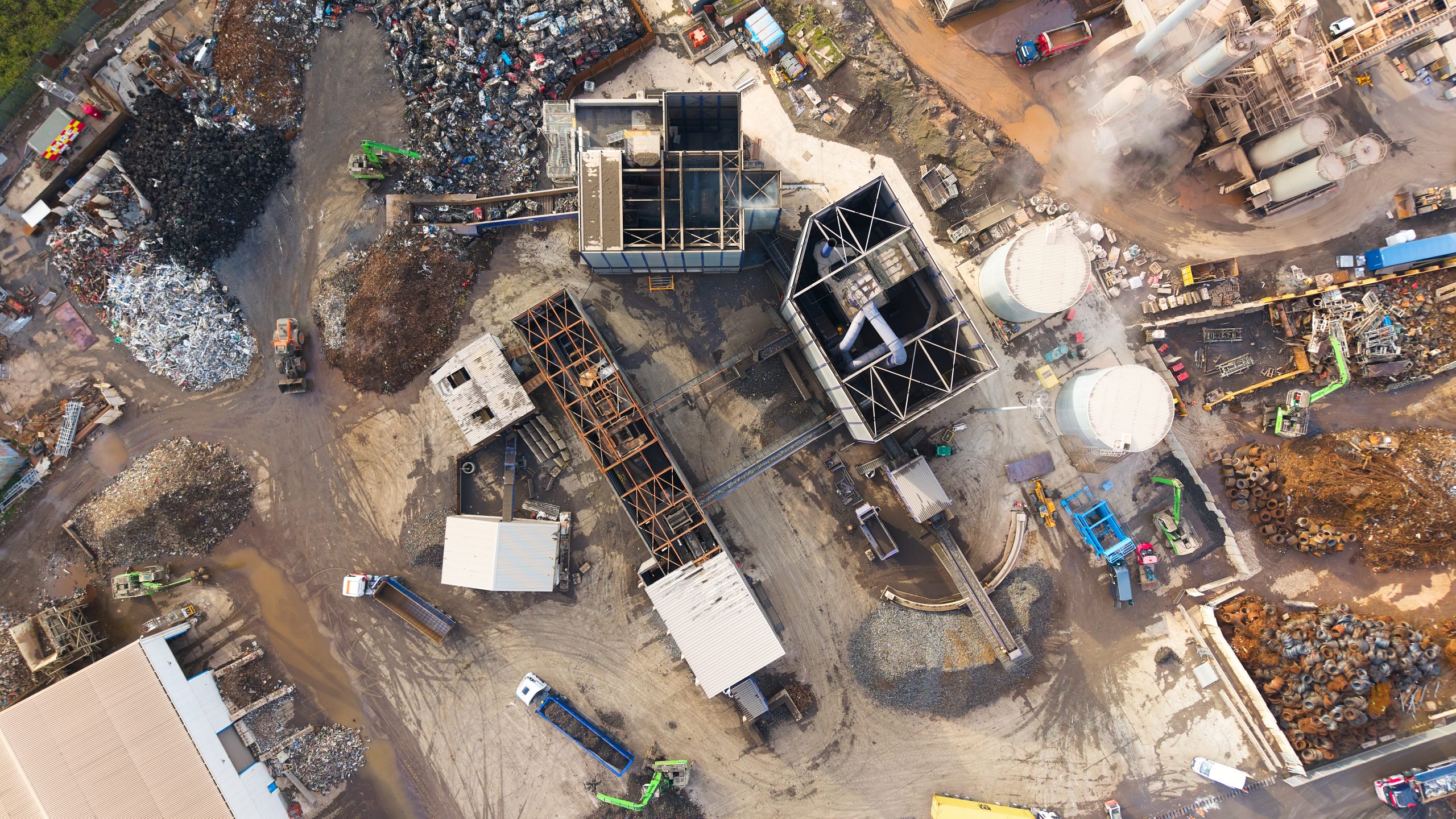
Recycled steel is already widely used across UK construction and infrastructure but the opportunity to recycle more of the steel already in circulation is growing. As more electric arc furnaces come online in the UK, demand for steel scrap is expected to increase. Therefore, creating a greater need for a strong domestic supply chain. Keeping more scrap within the UK means it can be recycled into new steel here, rather than following traditional routes overseas. All of this whilst reducing reliance on newly extracted raw materials and lowering the carbon intensity of production.
The future is recycled steel
For construction, the future is not about choosing between performance and sustainability. Recycled steel has shown that both are possible.
At 7 Steel UK, scrap steel isn’t treated as waste; it’s the raw material that starts the process of producing new steel. By recycling steel already in circulation, we can produce the reinforcement products the construction industry depends on while reducing the need for newly extracted raw materials and lowering the carbon intensity of production.
The result is the same material trusted across buildings, infrastructure and major projects throughout the UK, but produced in a way that makes better use of the resources already available. For developers, contractors and clients, responsible specification can mean choosing steel that meets the required performance standards while also helping to reduce embodied carbon and reliance on newly extracted raw materials.