
The steel industry is a critical national asset, not just key to supplying industries such as construction and infrastructure, but to jobs and the economy. Here in Wales, where 7 Steel UK is proudly based, steel is even more important. Over decades, the fabric of communities has been defined by steelmaking, and the industry has a proud heritage that spans generations.
The recently published Steel Strategy from the UK Government supports this, and sets a clear direction for the future of our industry. For the ambitions of the Strategy to be realised, alignment and support needs to be implemented at a regional level, too.
Wales is home to a significant proportion of the UK’s steelmaking capacity and presents an opportunity to define the future of domestic steelmaking. That future will be built around more sustainable production techniques and boost the resilience of the sector for the long-term.
To build a strong future for Welsh steelmaking, we need to see targeted support from the devolved government.
To make this a reality, our industry needs targeted support in training, skills development and industrial capability. The UK Steel Strategy clearly defines this ambition and demonstrates how it can secure jobs, strengthen communities and build a resilient, low-carbon steel industry for the future.
To make this future a reality, the Welsh Government has a decisive role to play.
Welsh steel: reshaping the industry
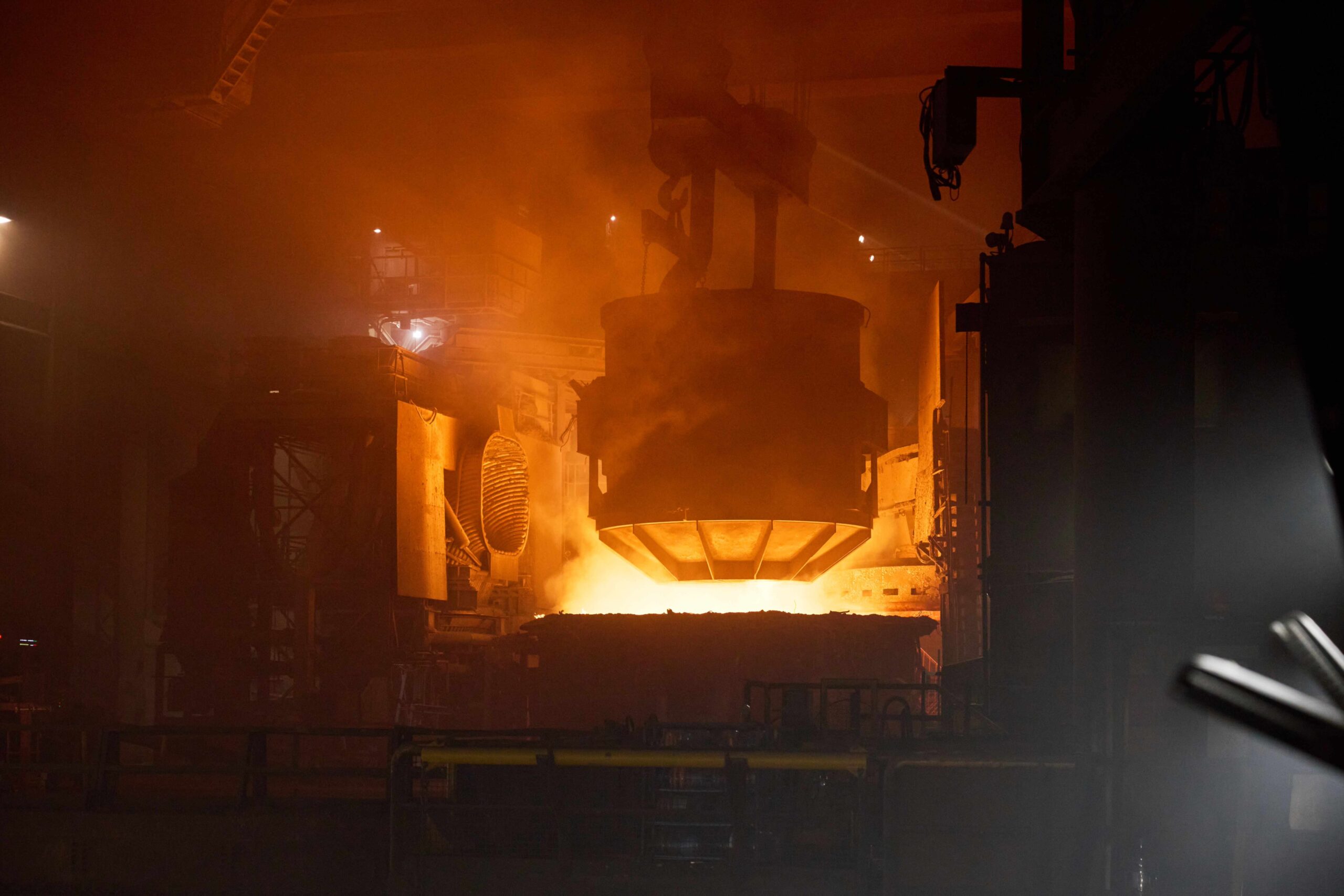
The Welsh steel industry has a proud history having evolved over 300 years to become a leading producer on a global scale. Today, the industry is changing once again, with sustainability ambitions driving a shift towards electric arc furnace (EAF) production – a transition that 7 Steel UK is pioneering.
The transition to low-carbon steelmaking, backed by EAF technology, represents a significant evolution of the industry. With the right support, it’s an area that Welsh steel can lead the way on.
That transition doesn’t come without its challenges, however. The industry continues to face significant challenges, from the impact of global overcapacity through to uncompetitive energy prices. As the industry is reshaped for the future, significant levels of investment will be required to ensure the adoption of new technology. And with that, a new skills era will unfold.
It is here – around skills and education – where the Welsh government has an important role to play in shaping the future of steelmaking. Supporting the development of the right skills, new infrastructure and new ways of working will strengthen the industry for the future.
Becoming a leader in low-carbon steel production
Much of the world’s steel industry is still stuck in the past, relying on traditional methods such as blast furnace production. The future lies in EAF production – and it’s here that Welsh steel has the potential to lead the way.
Our Cardiff site, where 1.2million tonnes of steel are produced every year, is a thriving example of the potential of EAF production, pioneered in Cardiff in the 70s with our latest furnace celebrating 20 years of production this year. Other steelmakers are already putting plans in motion to bring EAF production online in their facilities. Together, Welsh steel can drive the revolution towards low-carbon steel production.
To do that, tangible support is needed to build the foundations for the future. Aside from investment in new technology and infrastructure, the area of skills is a major challenge that is facing the sector. Significant work is required here to ensure our industry has the technical expertise it requires to create the steel industry of the future.
To realise the potential of Welsh steelmaking, we have outlined five ways in which the Welsh Government can help to build the skills required for the future of domestic steelmaking.
1. Nurture specialist skills
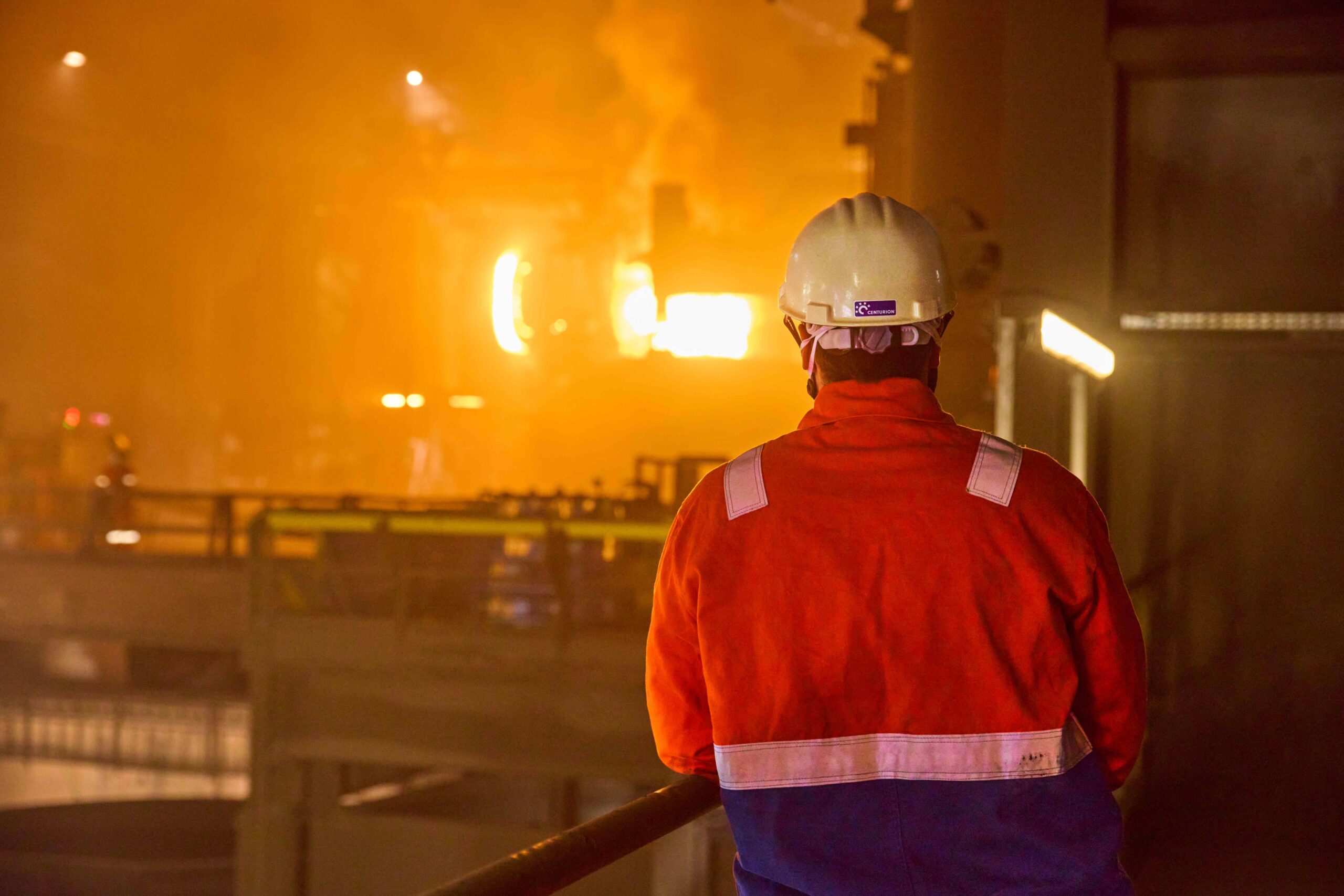
The domestic talent pool is facing a gradual erosion of specialist technical knowledge when it comes to steel, largely due to declining demand and commercial pressures facing further and higher education. As a result, steelmakers are increasingly reliant on overseas talent.
To build for the future, we need to nurture the next generation of talent here. While private firms can protect physical production aspects, Government must step in to protect the intellectual factor with specialist training pathways that are aligned with industry needs.
2. Steel School: establish a dedicated training centre in Wales
We believe there is a strong case for a dedicated Steel School, located in Cardiff – the Welsh capital and home of steelmaking. This facility would become the central hub for technical training, skills development and knowledge transfer, supporting the upskilling of existing professionals alongside new entrants to the industry.
To be viable for the long-term, a Steel School would require full public funding. And the benefits would be far reaching, strengthening the talent pipeline, reducing reliance on overseas recruitment and supporting innovation and best practice across the sector.
3. Harness the potential of advanced manufacturing
Right across the manufacturing sector, advanced technologies – like robotics, automation and digitalisation – are being rapidly adopted. While the adoption of Electric Arc Furnace technology is accelerating across the industry, steelmaking is by its very nature, more traditional.
This makes it more difficult to attract talent, leading to a growing gap in knowledge and expertise. Support is required to recruit into the steel industry – something which can be achieved through conveying the importance and long-term resilience of the industry in the UK.
4. Reform apprenticeships
Apprenticeships are a primary route into engineering, and across Wales, there are clear opportunities to improve their structure and delivery. Currently, feedback from learners suggests there is too much focus on Essential Skills Wales, resulting in elements of the programme that feel tokenistic.
To strengthen this route into the steelmaking industry, more focus is needed on role-specific, practical skills, preparing the next generation for the realities of modern industrial environments. Pairing this with clear progression pathways will create a shift and ensure apprenticeships nurture a strong talent pool for the industry.
5. Create greater clarity across the training system
Today, the funded training landscape remains largely unclear. While there is a significant reliance on individual training providers to guide steelmakers, this can create inconsistency, add unnecessary complexity, and result in skills over-generalisation within the system.
By improving transparency and accessibility, businesses can plan their workforce development more effectively and ensure that funding is aligned with strategic industry needs. Strengthening the training system would unlock immediate potential for both employers and learners alike.
An opportunity for Welsh steelmaking to lead on the world stage
The steel industry is on the verge of a generational shift towards low-carbon production, and Wales has a clear opportunity to lead the way – not just in the UK, but globally.
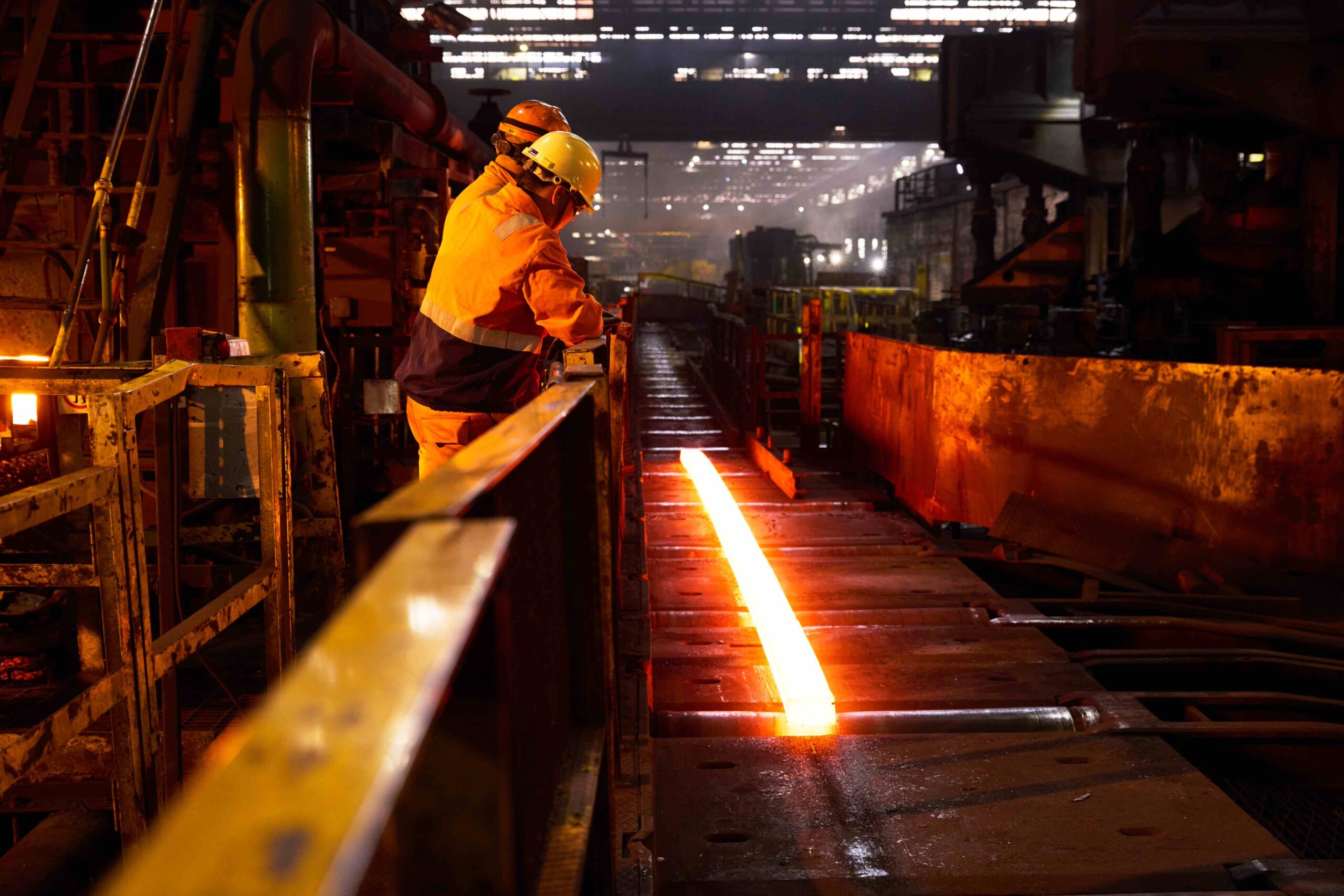
Building on our proud industrial heritage that touches communities across Wales, we can position our industry at the forefront of a modern, more sustainable steel sector. 7 Steel UK is already demonstrating the potential of Electric Arc Furnace production, with other manufacturers now following. That demonstrates that the future isn’t a distant ambition, but is already happening today.
To make this a reality, our industry needs targeted support in training, skills development and industrial capability. The UK Steel Strategy clearly defines this ambition and demonstrates how it can secure jobs, strengthen communities and build a resilient, low-carbon steel industry for the future.
To make this future a reality, the Welsh Government has a decisive role to play.