
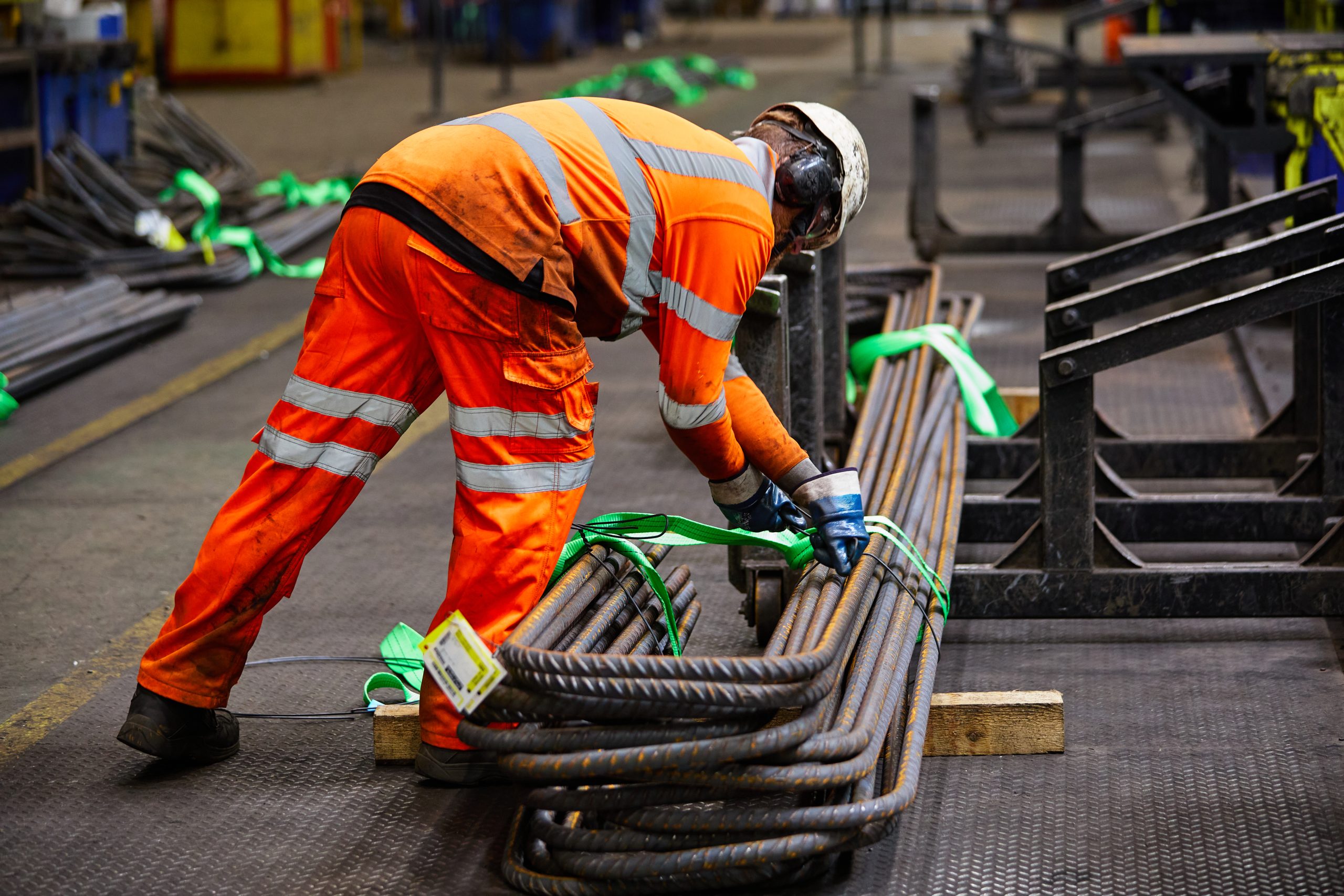
The UK Government’s Steel Strategy marks a significant step forward for British steelmaking, recognising the challenges faced by our sector today and demonstrating a clear signal of support that will underpin the future of steelmaking in the UK.
As a foundation industry, steel directly supports several critical industries – from construction through to infrastructure. This makes the industry critical, not just to the economy, but also for the communities that are built around steelmaking, skilled employment opportunities and bolstering national resilience.
As a leading UK manufacturer of low-carbon steel, 7 Steel UK welcomes the Government’s strategy and looks forward to working with Government, industry partners and customers to create a robust and prosperous future for the complete steel supply chain.
Here, we’ll explore what the commitment will mean in practice and explore the impact it may have on securing the future of steelmaking domestically.
A clear commitment to support domestic steelmaking
Steelmaking has played a key role in shaping the history of the UK, forming the backbone of progress across several critical industries. In recent years, however, significant challenges – from global competition to surges in energy prices – have compromised the industry’s performance.
The UK Government’s Steel Strategy aims to change that by providing the industry with the support needed to invest, innovate and grow.
At the heart of the strategy is a clear ambition to increase the proportion of UK made steel from 30% to 50%, confirming steel as a vital strategic asset that demands a strong domestic supply chain. This will have a tangible impact on industries such as construction, infrastructure, energy and defence, ensuring reliable access to high-quality steel that is produced domestically, ultimately reducing reliance on volatile global markets.
Alongside this, trade measures form an essential part of the Steel Strategy, with proposed changes to reduce steel import quotas by 60% and introduce 50% tariffs on out-of-quota imports.
In practice, these measures should support a more even playing field for UK producers who have long faced challenges presented by global overcapacity and fluctuating market conditions.
Unlocking investment for UK steelmaking
A key part of the Steel Strategy is the commitment of up to £2.5 billion for investment in the sector, allocated through the National Wealth Fund.
This is a significant opportunity for steelmakers within the UK to access funds which could accelerate innovation, modernisation and growth across the sector. That could include technology upgrades, expansions in production capacity and even nurture the long-term development of skills across the workforce.
The Strategy confirms Electric Arc Furnace (EAF) technology as the future of UK steelmaking. At 7 Steel UK, we are proud to have led the way with this technology at our Cardiff site, already producing 1.2 million tonnes of recycled, low-carbon steel every year through EAF production.
EAF technology offers a more sustainable way of producing steel, however – alongside the need for greater levels of investment in technology – success depends of several enablers, including secure and competitively priced electricity, and reliable access to high-quality scrap steel.
To this end, the new cross-government scrap supply group represents a positive step. Currently, around 80% of the UK’s steel scrap is exported overseas – and this is something that needs to change to support domestic EAF production, ensuring its value is retained within the UK.
Strengthening supply chains through procurement
With the ambition to increase domestic steel production a clear part of the new strategy, ensuring UK-made steel is adequately considered in major infrastructure projects is key.
Here, reforms to procurement process, including initiatives such as the Clean Industry Bonus, can help to ensure:
-
-
- UK-made steel is given fair and transparent consideration on projects
-
-
-
- Supply chains remain secure and traceable
-
-
-
- The true value of domestic steel is recognised, including through steel quality and availability, alongside the positive impact on local communities and economies
-
Naturally, a boost to domestic production has a positive impact on steelmaking communities, creating jobs and long-term prosperity. Here, the role of the Steel Council in driving skills development, research and productivity will be crucial, with continued investment required to:
-
-
- Build strong pipelines in engineering and technical talent
-
-
-
- Support innovation in advanced manufacturing
-
-
-
- Support communities undergoing industrial transition
-
Steelmaking has defined communities and regional economies over the decades, and its future must continue this legacy by creating skilled jobs and sustainable growth.
A welcome step forward
The UK Government’s Steel Strategy represents a meaningful shift in the national approach to steelmaking, placing greater emphasis on resilience, sustainability, and long-term competitiveness.
Carles Rovira, CEO of 7 Steel UK, says:
“The UK Government’s Steel Strategy marks an important step forward for our sector. By maintaining robust steel safeguards and setting a clear path for long-term industry competitiveness, the Government is giving businesses like ours the stability and confidence we need to invest, innovate, and grow.
These measures help to ensure that high-quality, low-carbon steel made here in the UK can continue to support our critical supply chains and the thousands of skilled jobs that depend on them, making it welcome news for steel workers, steel communities, and customers across the UK, especially in South Wales.
We welcome this commitment to building a resilient, sustainable, and globally competitive UK steel industry and look forward to working with the government, alongside industry partners and customers, to ensure the ambitions of the Steel Strategy are realised, and support measures are effectively delivered.”
While further detail is required to ensure the successful delivery of the UK Steel Strategy, its announcement signals a meaningful shift in how the UK Government intends to approach steel, industrial resilience and national supply chains.