What are the advantages and disadvantages of recycled steel?
For a material that has been around for centuries, steel has become surprisingly divisive. The topic of conversation isn’t its strength or versatility; there’s already a consensus that steel delivers both.
The debate now centres on how steel should be made.
As pressure builds to lower carbon emissions across construction, recycled steel has found itself at the heart of the conversation. Its environmental credentials and its ability to keep valuable materials in use for decades are increasingly important. At the same time, questions remain around how recycled steel compares with steel produced from virgin raw materials, particularly when it comes to quality, consistency and potential compromises.
The reality is that recycled steel isn’t a shortcut, nor is it a silver bullet. Like every manufacturing route, it comes with clear advantages and a handful of challenges. The difference is that most of those challenges have less to do with the steel itself and far more to do with the process behind it.
Recycled steel isn’t a new idea, but the expectations around it are
Recycling steel isn’t a recent response to sustainability targets. The industry has been doing it for decades, and we have long been champions, having operated our Electric Arc Furnace for two decades. What’s changed is the role recycled steel now plays for customers across the construction and infrastructure sectors..
Delivering buildings that last is now only the starting point for construction. Projects today must reduce embodied carbon, improve resource efficiency and build greater resilience into increasingly complex supply chains, as highlighted in the UK’s Steel Strategy. These pressures have transformed recycled steel from an environmental talking point into an operational necessity – and there’s a simple reason why.
Unlike many construction materials, steel doesn’t lose its essential properties every time it’s recycled. Once it has been melted, refined and manufactured again, it becomes steel. Not “recycled” steel in the sense many people imagine, but steel that’s ready for another working life.
That circularity also matters from an environmental perspective. Producing steel from recycled scrap using Electric Arc Furnace technology can significantly reduce carbon emissions compared with traditional blast furnace production, with 7 Steel UK’s process cutting CO₂ emissions by up to 70%. As the electricity grid continues to decarbonise, there is potential for that carbon impact to fall further.
When that steel is made in the UK using UK-sourced scrap, the benefits extend beyond carbon. Shorter transport distances can reduce associated emissions, while keeping materials within domestic production networks can strengthen supply chain resilience and reduce reliance on imports.
The strongest argument for recycled steel isn’t actually sustainability
Environmental benefits dominate most conversations around recycled steel, and understandably so. Manufacturing steel from scrap generally requires less energy than producing it from newly extracted iron ore, while reducing demand for finite raw materials and preventing valuable steel from becoming waste.
But focusing solely on carbon misses a much bigger shift that’s happening across manufacturing. Construction has become increasingly aware of where its materials come from – and, just as importantly, where they don’t. Materials may be chosen not only based on their performance, but also to avoid supply chains associated with high carbon emissions or ones frequently disrupted by global circumstances.
Recent years have exposed how quickly international supply chains can become unpredictable. Material shortages, transport disruption, volatile energy prices and geopolitical uncertainty have all forced customers across construction and infrastructure to rethink long-established sourcing strategies.
Keeping steel in circulation within the UK provides greater certainty for UK projects that are operating within strict timelines and to evolving and tighter regulations.
In other words, recycled steel isn’t simply about using less, but about making better use of what we already have. That distinction matters.
Strength has never been the issue
There’s a persistent assumption that recycled steel must involve some level of compromise.
Plenty of recycled materials can lose quality over time. Plastics degrade, while paper fibres shorten with each cycle.
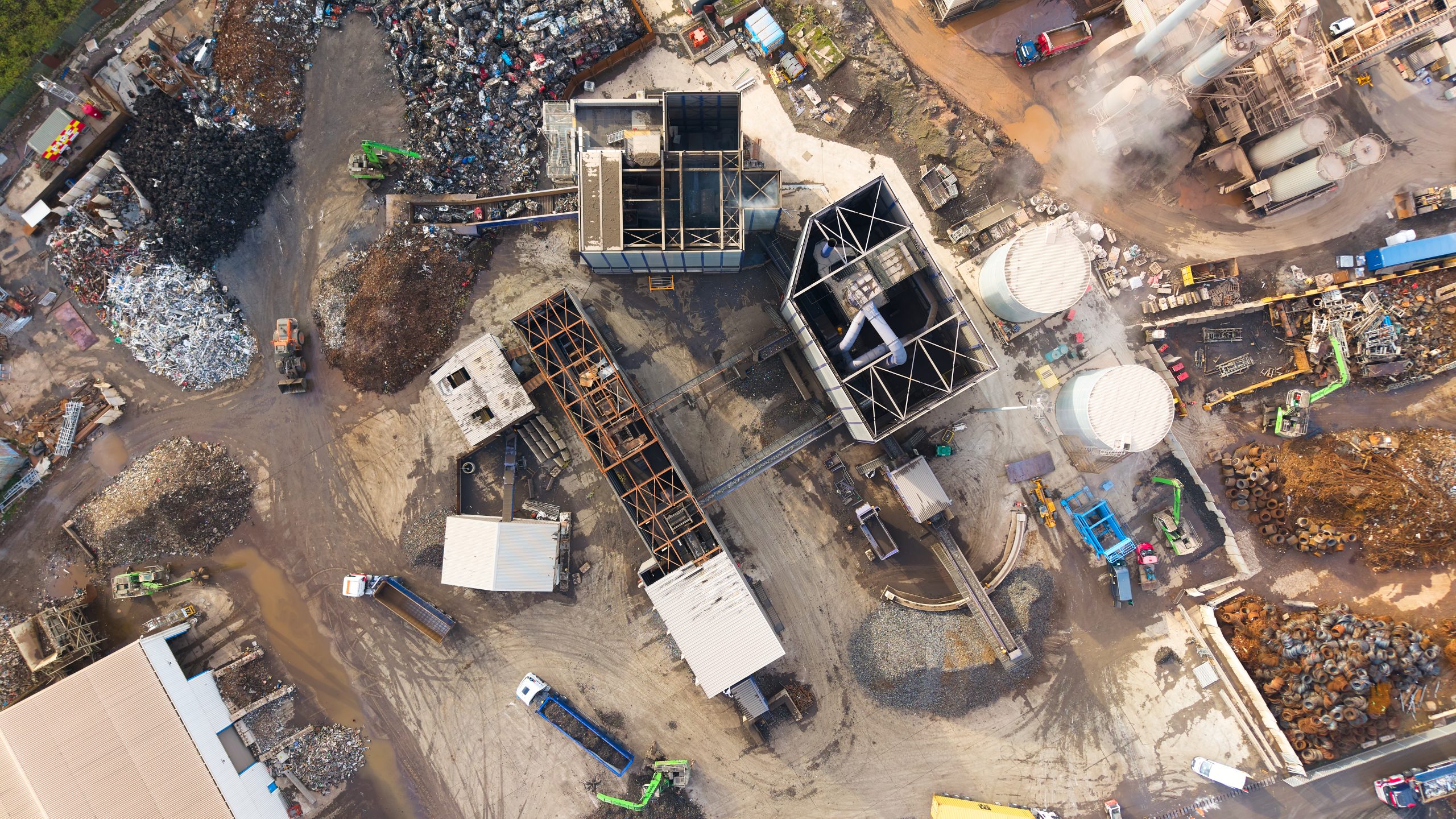
Once steel scrap enters the manufacturing process, its previous life effectively disappears. At 7 Steel UK, scrap is recovered nationwide and processed using modern shredding and sorting technology to produce a clean, high-quality feedstock for the Electric Arc Furnace. Careful refining, chemistry control and quality assurance determine the characteristics of the new finished product – not whether the material once formed part of a warehouse, bridge or industrial building. This helps ensure the finished steel meets the quality and performance requirements of construction and infrastructure applications.
That’s why recycled steel is trusted across reinforcement, infrastructure and structural applications where performance simply cannot be left to chance.
So where are the disadvantages?
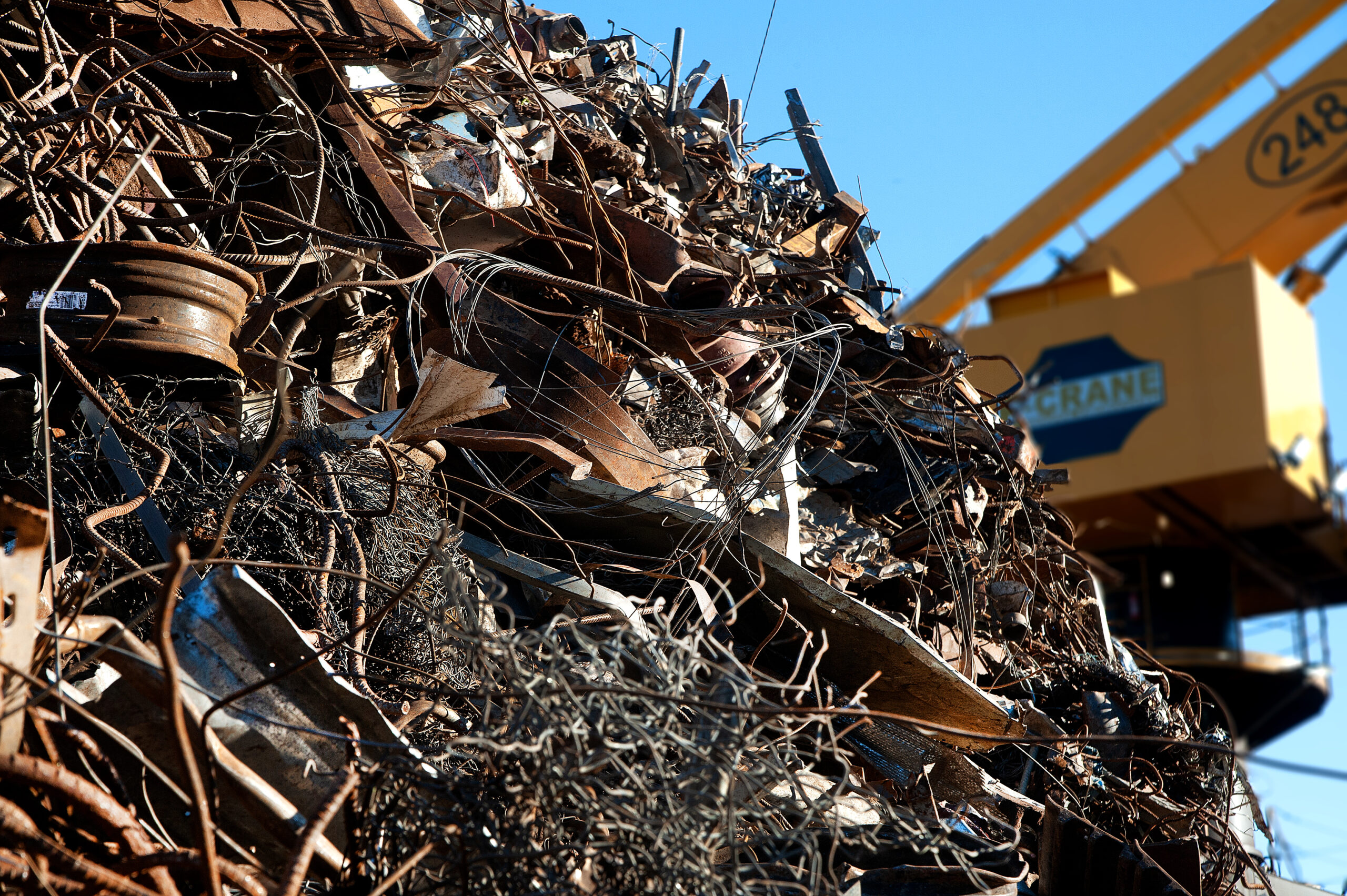
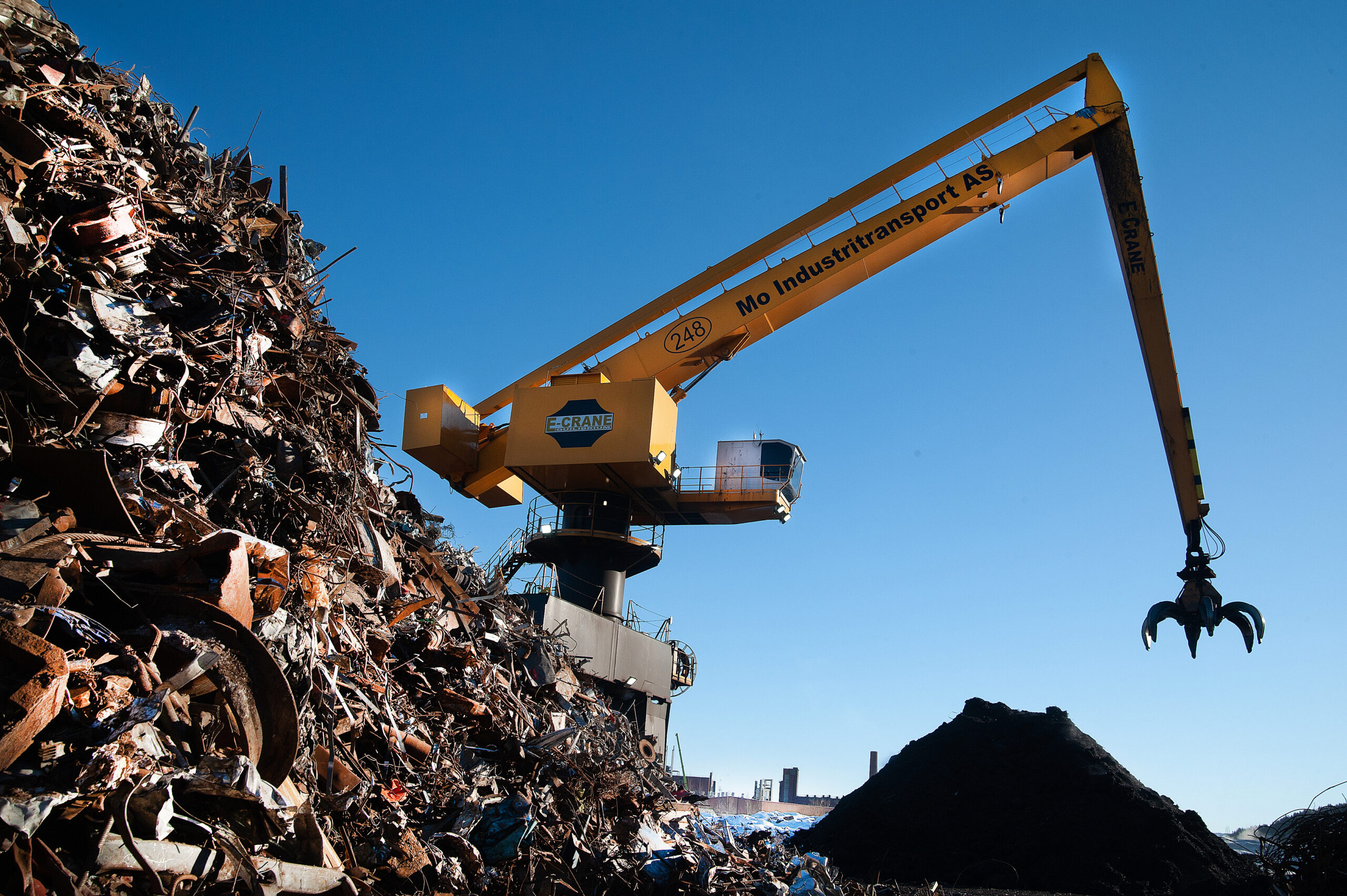
Ironically, most of the challenges associated with recycled steel exist before steel is ever produced. Scrap isn’t uniform, it comes in many different ways, whether that’s as massive structural beams or tiny industrial turnings.
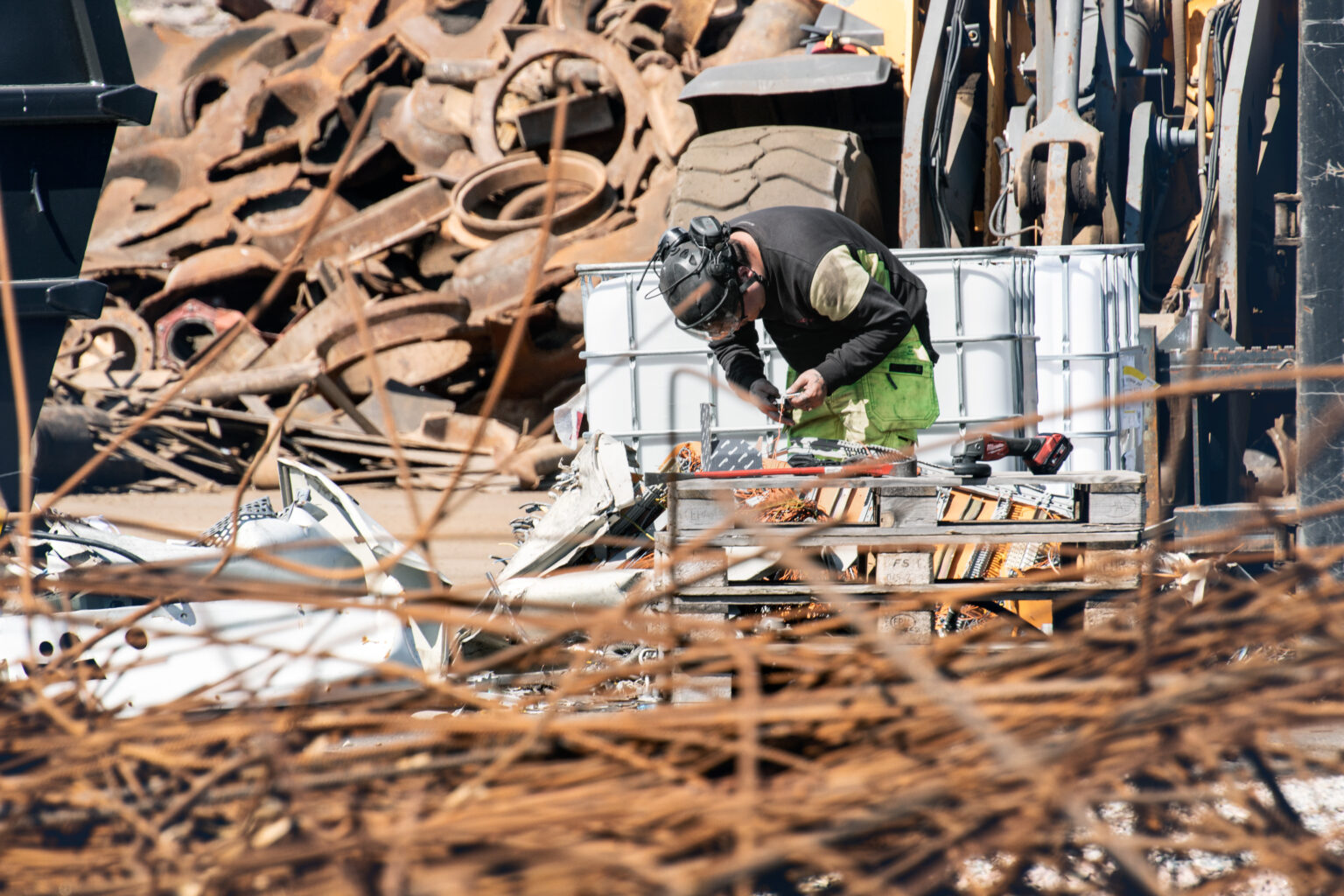
It arrives from demolition sites, manufacturing facilities, engineering projects and countless other sources, each carrying different coatings, alloying elements or contaminants. Left unmanaged, those variations could create inconsistencies during production. That places enormous importance on what happens before the furnace even switches on in terms of sorting and ensuring the scrap steel is up to quality.
This doesn’t attract much attention outside the industry, yet it’s arguably the most important part of the entire process. High-quality recycled steel begins with high-quality scrap management, not simply efficient manufacturing.
It’s one reason why recycling steel is considerably more sophisticated than people often assume and why 7 Steel UK’s ability to recover, process and prepare scrap in-house is such an important part of producing high-quality recycled steel.
Geography matters more than many people realise
The environmental case for recycled steel can also become blurred if materials spend thousands of miles moving between countries before reaching the site. Steel may be infinitely recyclable, but transport still carries an environmental cost – and that’s helping to reshape how manufacturers think about supply chains.
Rather than viewing recycling, steelmaking and fabrication as disconnected activities, many are moving towards more integrated domestic production models where materials travel shorter distances, quality is easier to monitor and traceability becomes far more straightforward. At 7 Steel UK, this approach forms the backbone of the business, with scrap recycled, manufactured and fabricated within a UK-based production network.
The result isn’t just environmental; it’s commercial too.
Shorter supply chains tend to offer greater predictability, better visibility and fewer opportunities for disruption – all increasingly valuable qualities in an industry that’s become accustomed to uncertainty. They also make it easier for customers to access technical support and expertise throughout a project, helping ensure the right steel is specified and supplied for the job. That experience is backed by 7 Steel UK’s involvement in major projects including The Shard, Hinkley Point C and HS2.
Perhaps we’ve been asking the wrong question
The steel industry is under increasing pressure to reduce its environmental impact, and as one of the highest-carbon construction materials, steel is an obvious area where improvements can be made. Recycled steel is one way of reducing that impact, while sourcing materials and products within the UK can also help cut transport emissions and strengthen domestic supply chains.
At 7 Steel UK, that means sourcing scrap domestically before recycling it through Electric Arc Furnace technology and keeping production within a fully integrated UK manufacturing network. Managing the process from scrap to finished reinforcement steel allows tighter quality control, improved traceability and greater confidence in supply, while supporting lower-carbon steel production.
That’s the difference between simply recycling steel and transforming its potential into progress.
Looking beyond the word “recycled”
Construction has always judged materials on one simple rule: can it do the job?
Recycled steel has been answering that question for years. Not through marketing claims or sustainability targets, but through consistent performance across thousands of demanding projects.
Yes, there are challenges. Managing scrap quality, maintaining consistent chemistry and building resilient supply chains all require expertise and investment. Yet those are manufacturing challenges, not material shortcomings.
Recycled steel produced through Electric Arc Furnace technology can deliver the same standards of quality and performance while unlocking wider benefits. This can range from lower carbon emissions and more resilient supply chains to greater certainty, better use of materials and support for domestic manufacturing and steel communities across the UK.
At 7 Steel UK, that means taking scrap sourced in the UK, transforming it into high-quality steel and keeping more of the process within a domestic production network. It’s not about compromise. It’s about building better, strengthening supply chains and maximising the value of steel for the future.